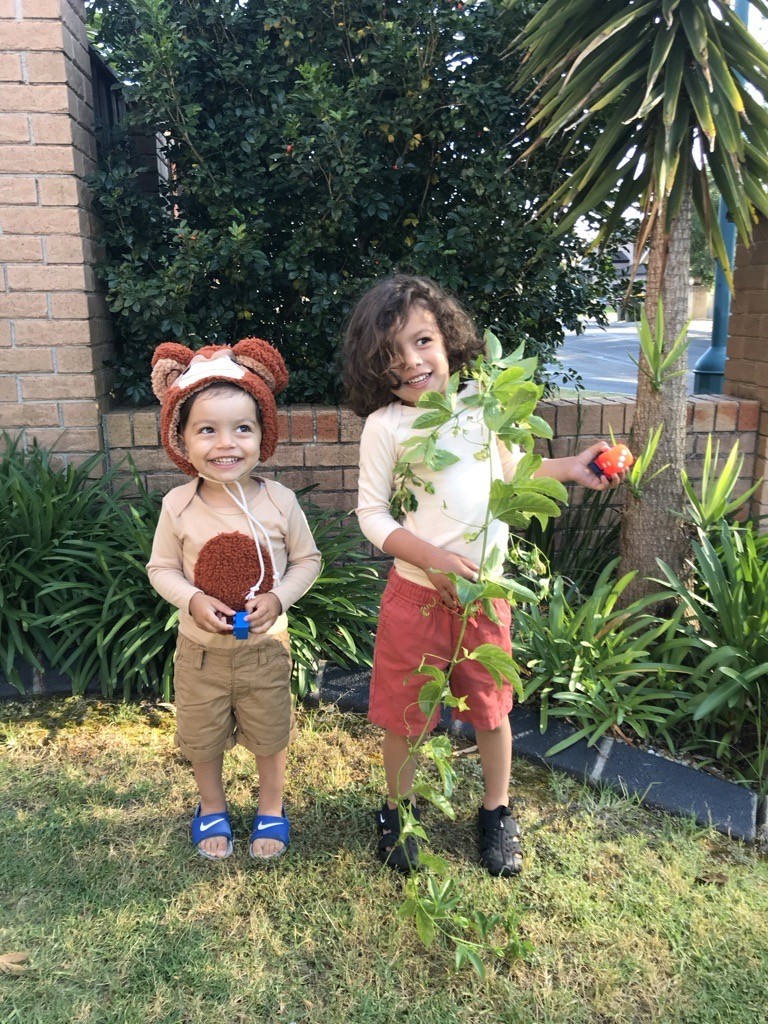
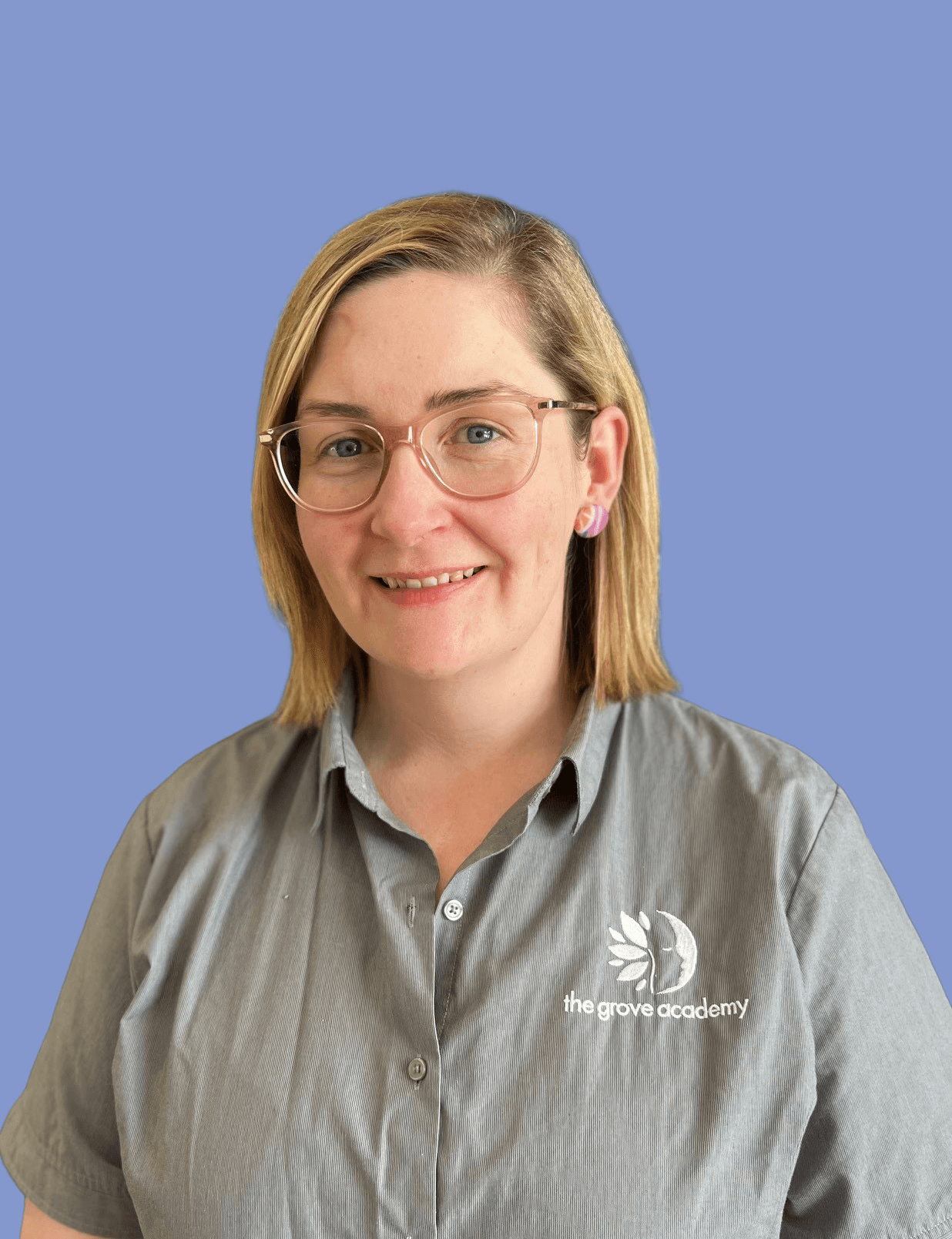
Emily, a proud Aboriginal woman, passionate educator and Administration Assistant at our Denham Court centre, shares her personal reflections on NAIDOC Week and the importance of nurturing respect, understanding and connection from the early years.
As an Aboriginal woman, NAIDOC Week has always been a special time for me. It's an opportunity to celebrate the histories, cultures and achievements of Aboriginal and Torres Strait Islander peoples, while also reflecting on how we can help the next generation grow up with understanding, respect and pride in Australia's rich cultural heritage.
For me, it's a reminder that Aboriginal and Torres Strait Islander cultures aren't something we learn about for just one week each year - they're living cultures that deserve to be recognised, respected and celebrated every day.
One of the things I love most about working in early childhood is seeing how naturally curious children are. They ask thoughtful questions, notice differences, celebrate similarities and are genuinely interested in learning about the world around them.
When we introduce children to First Nations cultures from an early age, we're helping to build empathy, respect and an appreciation for the many stories that make Australia what it is today.
For me, meaningful learning goes far beyond special activities or craft projects. It's about sharing stories, learning about the Traditional Custodians of the land we're on, exploring local language, listening to music, reading books by Aboriginal and Torres Strait Islander authors, and helping children understand the deep connection that First Nations peoples have with Country.
These everyday experiences encourage children to see Aboriginal and Torres Strait Islander cultures as a valued and living part of Australian life and not just something we acknowledge during NAIDOC Week.
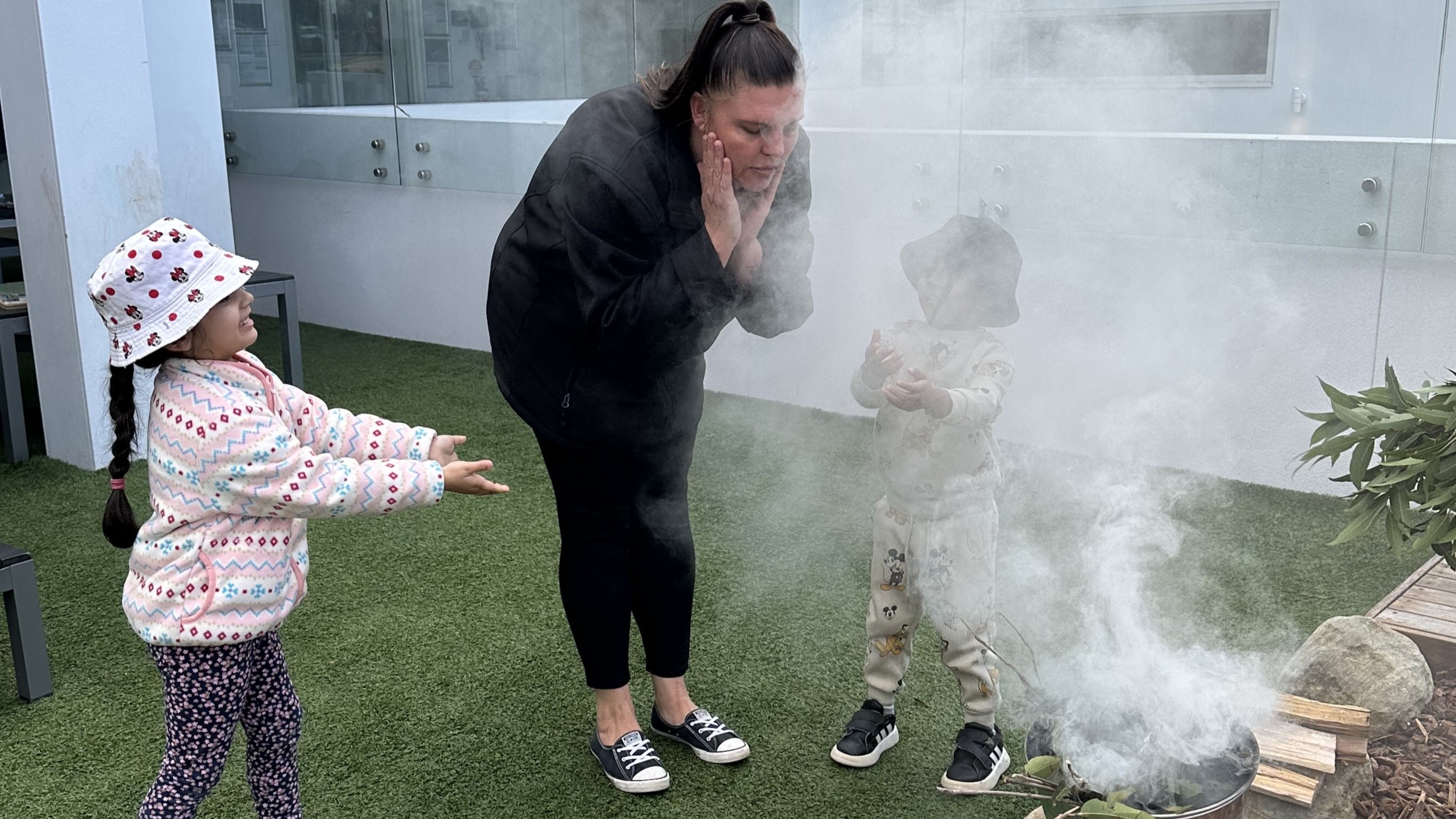
As parents, you don't need to be an expert to start these conversations at home. Reading a story together by an Aboriginal author, visiting a local cultural centre or museum, learning a few local language words, spending time outdoors talking about caring for Country, or simply encouraging your child to ask questions are all wonderful ways to continue their learning.
One thing I always encourage is looking beyond activities that don't provide cultural context. For example, Aboriginal art tells powerful stories that have been passed down through generations. Rather than simply recreating a style of artwork, families can explore the story behind an artwork created by a local Aboriginal artist and talk about the meaning it holds. This helps children understand that culture is built on stories, connection and identity.
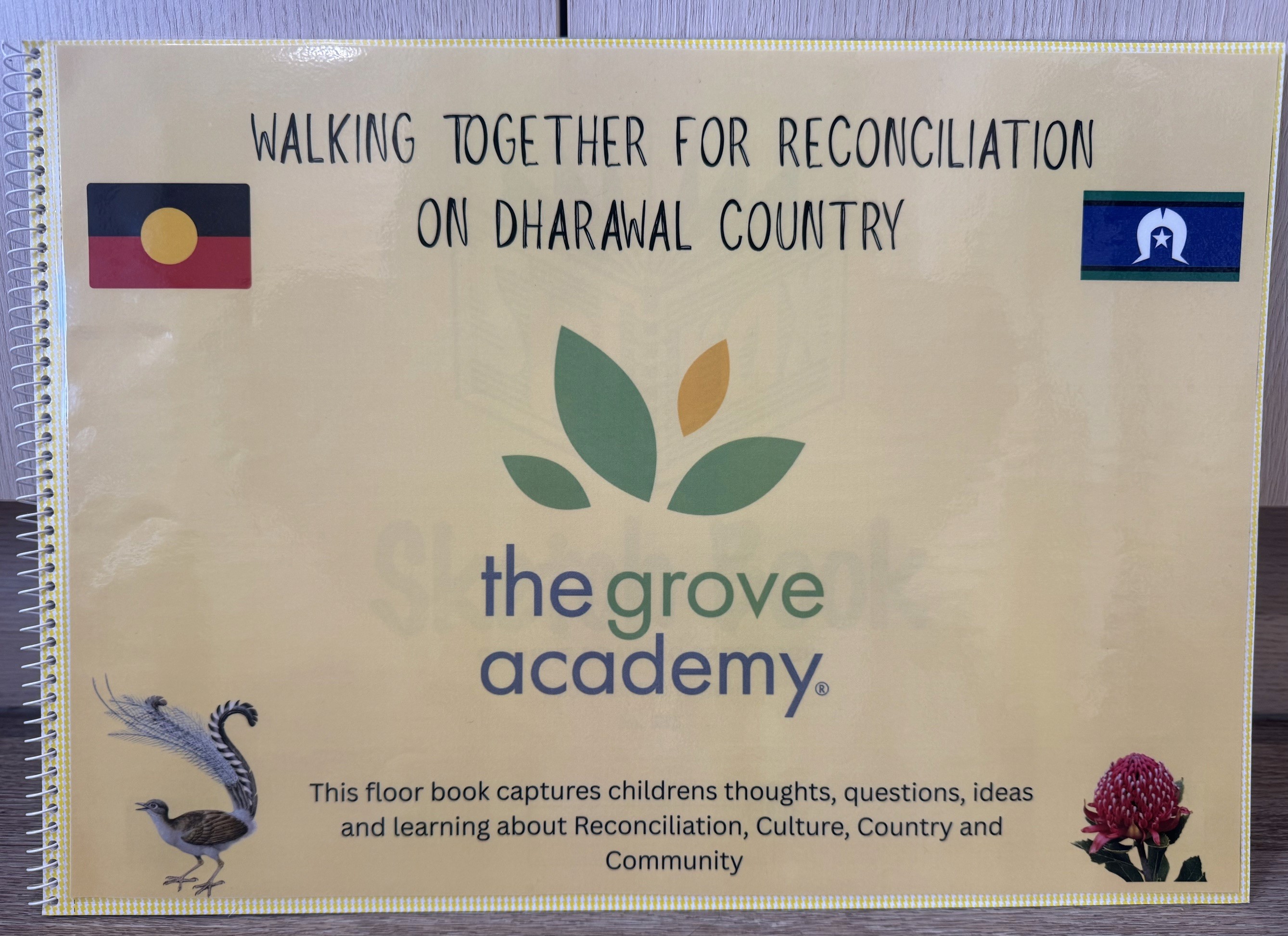
At our Denham Court centre, we've recently introduced a Floorbook where children can share their ideas, questions and interests about Aboriginal and Torres Strait Islander cultures. Their curiosity helps guide our learning, and it's been wonderful to see the thoughtful conversations that have emerged. Children are capable of so much when we give them the opportunity to explore, ask questions and learn together.
For me, that's what NAIDOC Week is really about. It's about creating opportunities for children to grow up knowing the stories of Australia's First Peoples, appreciating the world's oldest continuing cultures, and understanding that respect for one another begins in childhood.
Every conversation, every story shared and every question answered helps build a future where all children grow up with a deeper understanding of the people, cultures and Country that make Australia so unique. And I think that's something worth celebrating - not just this week, but every day.
Meet the author




Share:


Other recent posts: