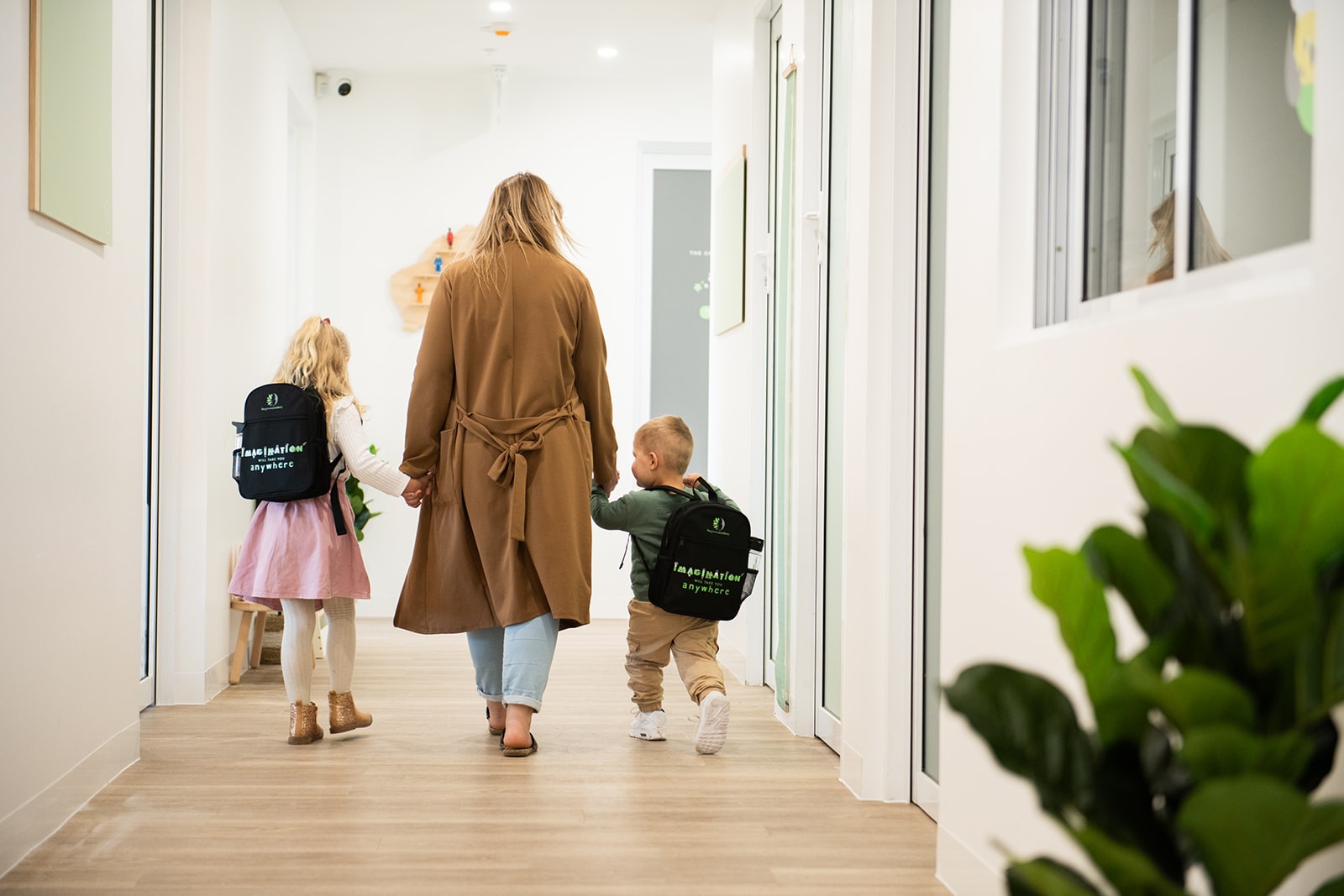
As a mother and educator, I know that morning drop-off is more than just a transition - it is a significant part of a child’s emotional development, independence and sense of security.
When mornings feel calm, consistent, and predictable, children are far more likely to separate with confidence, settle into their learning environment, and engage meaningfully in their day.
I have seen firsthand how strong morning routines at home, when paired with responsive early childhood environments, support children to build resilience, emotional regulation, and a genuine sense of belonging.
In this article, I will share some practical, education-informed strategies that families can use to support smoother, more confident drop-offs.
1. Predictability supports emotional regulation
In my experience as both a mother and educator, predictability plays a huge role in helping children feel safe and secure. When children know what to expect, they are often better able to manage transitions and regulate their emotions.
I always encourage families to create a consistent morning sequence where possible. This might look like:
Wake → Breakfast → Get dressed → Brush teeth → Travel → Centre
Simple routines like these help children build important executive functioning skills, including sequencing, independence, and self-regulation.
2. Separation is a developmental milestone
One thing I often remind families is that separation at drop-off is completely normal and developmentally appropriate. It is not simply a routine moment - it is part of a child’s growing emotional development.
There may be stages where children feel hesitant, emotional, or uncertain, particularly during times of change or new developmental milestones. With consistent routines, strong relationships, and supportive educators, children gradually build confidence and trust in the separation process.
As educators, we play an important role in offering reassurance, consistency, and warm connection as children arrive each day.
3. Connection before separation builds security
I truly believe that even a few minutes of intentional connection before leaving home can make a positive difference to a child’s transition into their day.
This might be:
• A calm cuddle before leaving
• Sitting together at breakfast
• Talking positively about the day ahead
• Offering a moment of undivided attention
These small but meaningful moments help strengthen a child’s sense of security and confidence as they move into a new environment.
4. Language shapes transition experiences
The way we talk to children about the day ahead can really shape how they feel about drop-off. I always encourage families to keep language calm, positive, and reassuring - helping children feel safe and know what to expect.
Some supportive, everyday phrases might be:
• “Miss Julie will be there waiting for you this morning.”
• “You'll have so much fun today with you're friends.”
• “I’ll come back this afternoon.”
• “You’re going to have a great day today.”
Keeping language simple, warm, and familiar helps children feel more confident and less unsure about what’s coming next.
5. Consistent goodbye routines build trust
In my experience, predictable goodbye rituals can be incredibly powerful. Whether it is a hug, a wave at the window, or a special phrase shared each morning, consistency helps children understand that separation is safe and temporary.
Even when emotions are present, a calm and confident goodbye from families often helps children settle more quickly with their educators.
6. Educators as co-regulators in transition
At The Grove Academy, our educators play an active role in supporting children through the arrival process each day.
Through warm greetings, responsive interactions, and consistent routines, educators help children regulate emotions and transition into the learning environment with confidence.
I believe this strong partnership between families and educators is essential in creating a secure and supportive start to the day.
A final thought
One thing I always remind families is that there is no such thing as a perfect morning, and that is okay.
What matters most is creating moments of consistency, connection, and reassurance where possible. When families and educators work together to support calm and predictable transitions, children feel more secure, more confident, and more ready to engage in their learning and relationships.
At The Grove Academy, I am proud to work alongside our families and educators in supporting these important early foundations for every child.
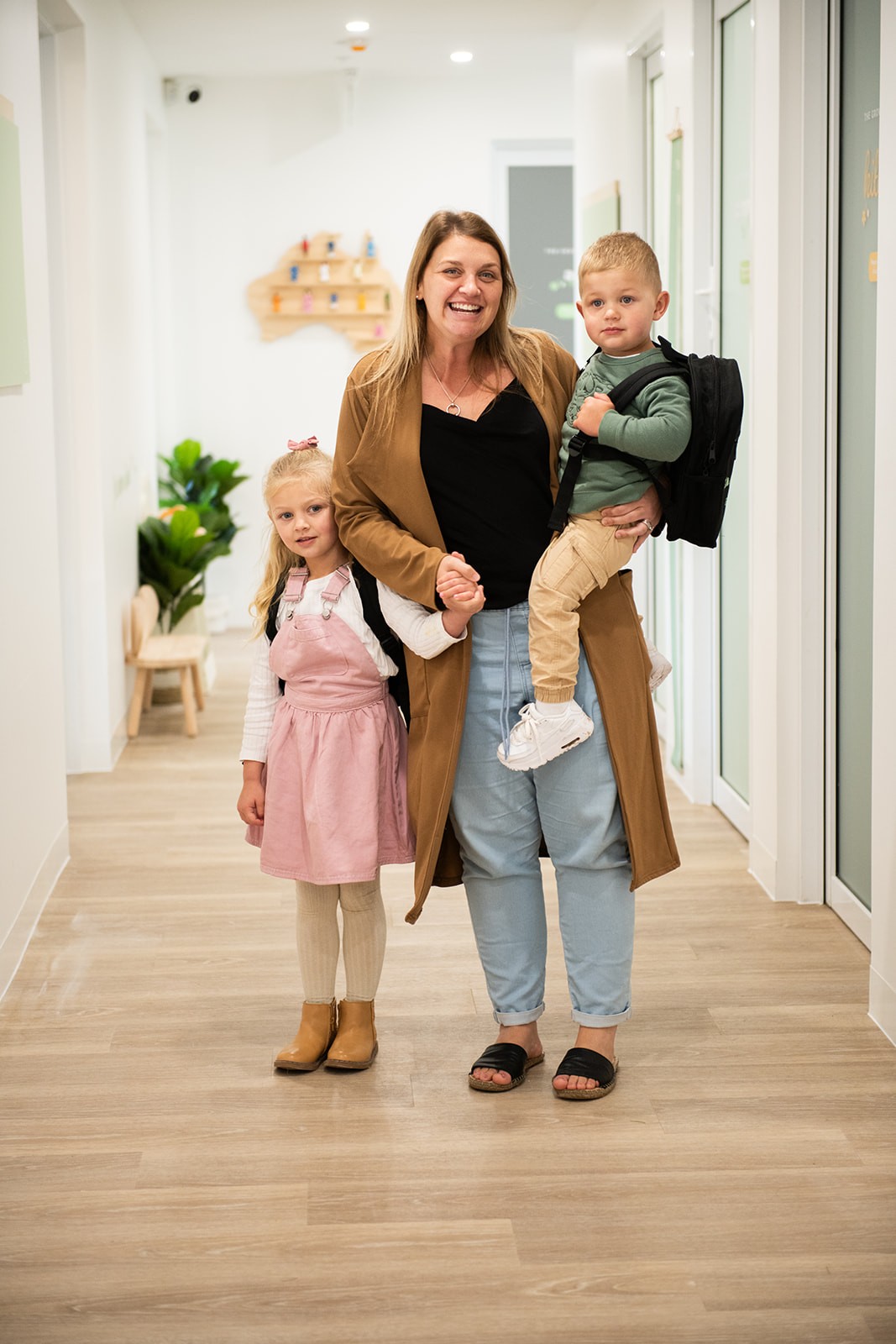
Meet the author

Rebecca is an Area Manager at The Grove Academy, overseeing the Illawarra centres and supporting the delivery of high-quality early learning practices across the region. She has also recently played a lead role in the development of The Grove Academy’s new education program, contributing to curriculum design and continuous improvement initiatives. With a strong background in early childhood education and leadership, Rebecca takes a practical, values-led approach to her work, focused on teamwork, reflective practice and supporting educators to grow.





Share:


Other recent posts: