The workforce today's early learners will step into hasn't been invented yet. The jobs, the technologies, the problems worth solving, most are still unwritten. So the question isn't "how do we prepare children for a known future?" It's "how do we build minds capable of shaping an unknown one?" We think that's exactly what STEM does. And Science Week is the perfect moment to make the case.
What Does STEM Actually Mean for a Young Child?
STEM stands for Science, Technology, Engineering, and Maths, but for early learners, it isn't about textbooks or test tubes. It's about noticing, questioning, and testing ideas against reality.
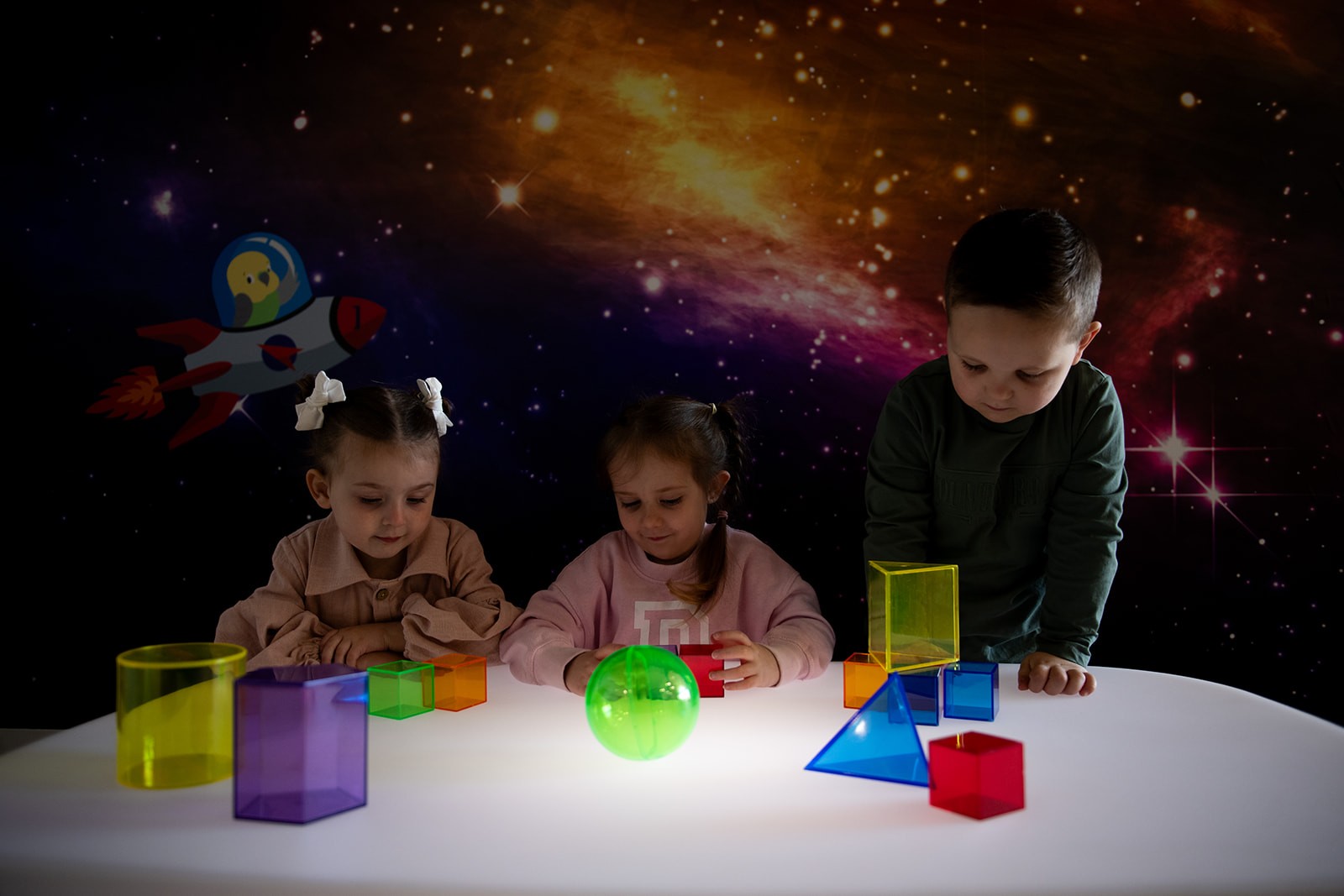
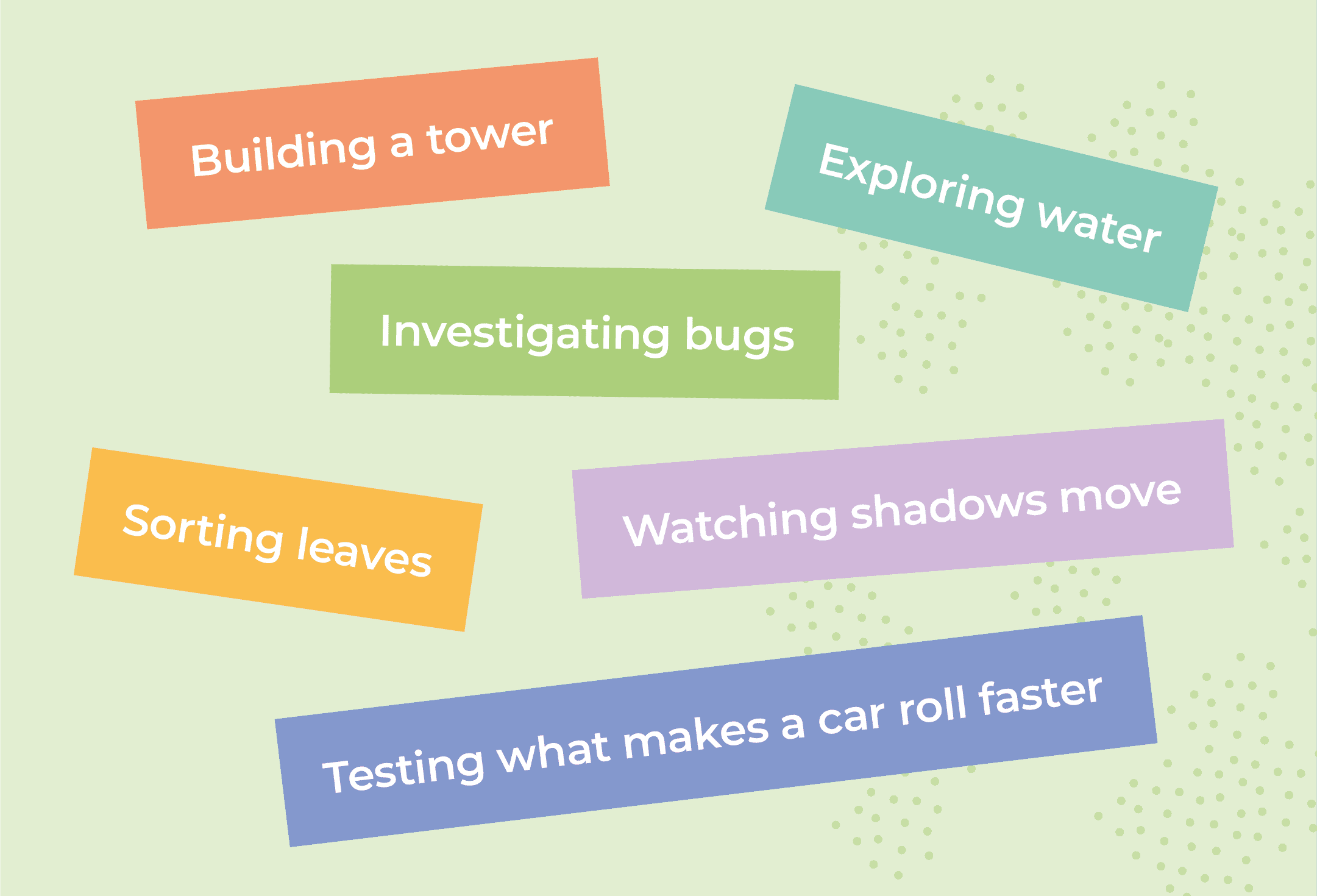
Think of STEM in the early years like planting a seed rather than building a tree. You're not handing a child a finished oak; you're giving them soil, water, and sunlight, and letting curiosity do the growing. When a child stacks blocks until they topple (engineering), watches a shadow move across the yard (science), sorts leaves by size (maths), or explores what happens when they tap a screen a certain way (technology), that's STEM in motion. It's less about equations and more about wonder with a purpose.
A child watching a snail leave a trail and asking "why is it shiny?" is doing the same thing a scientist does at a bench, observing, questioning, and forming a theory. That's the beginning of scientific thinking, and it's happening years before it ever gets a name in a classroom.
Why Early STEM Is the Strongest Investment in School Readiness
Here's the part that should reframe how we think about early childhood: STEM isn't a "nice extra" bolted onto play. It's one of the most powerful predictors of school readiness, and, increasingly, of future adaptability.
Picture a child's brain as fertile ground. Every STEM experience, building, sorting, testing, questioning carves the channels that all future learning flows through:
Problem-solving becomes instinct, not obstacle. A child used to asking "what if I try this instead?" walks into a classroom ready to tackle new challenges, not retreat from them.
Language accelerates through explanation. Describing why a tower fell or why the ice melted "too fast" builds vocabulary, sequencing, and reasoning, the scaffolding beneath literacy.
Resilience is trained early, not taught later. STEM is full of things not working the first time, which quietly builds the persistence formal schooling, and life, will demand.
Fine and gross motor development pairs naturally with concepts like balance, cause and effect, and spatial reasoning, through pouring, building, and moving.
The children who grow up comfortable exploring the unknown are the ones who grow into adults comfortable leading through it.
Bringing Forward-Thinking STEM Into the Classroom and Home
You don't need a lab, a kit, or a science degree, just a willingness to say "let's find out" instead of "here's the answer."
In the classroom or centre we:
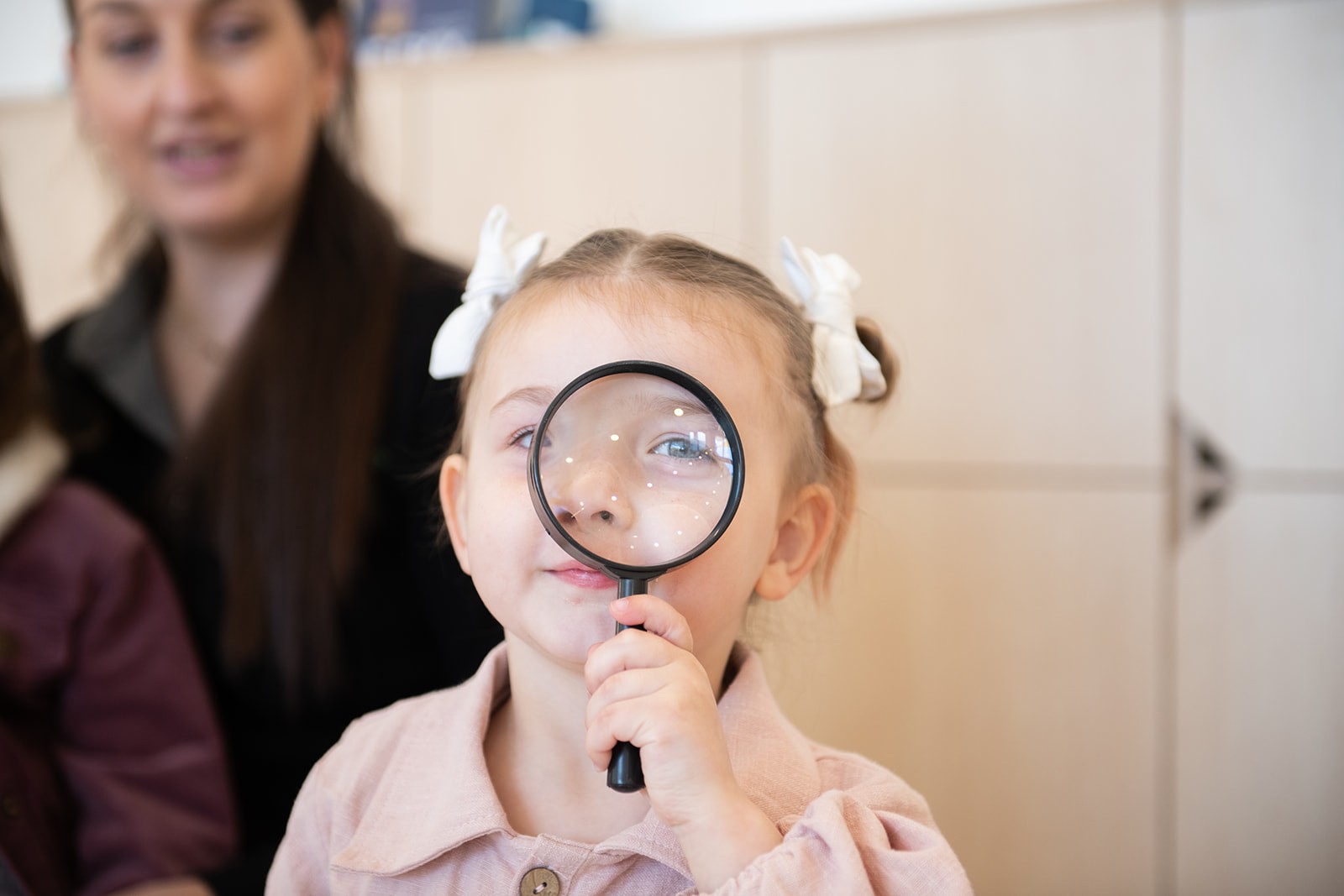
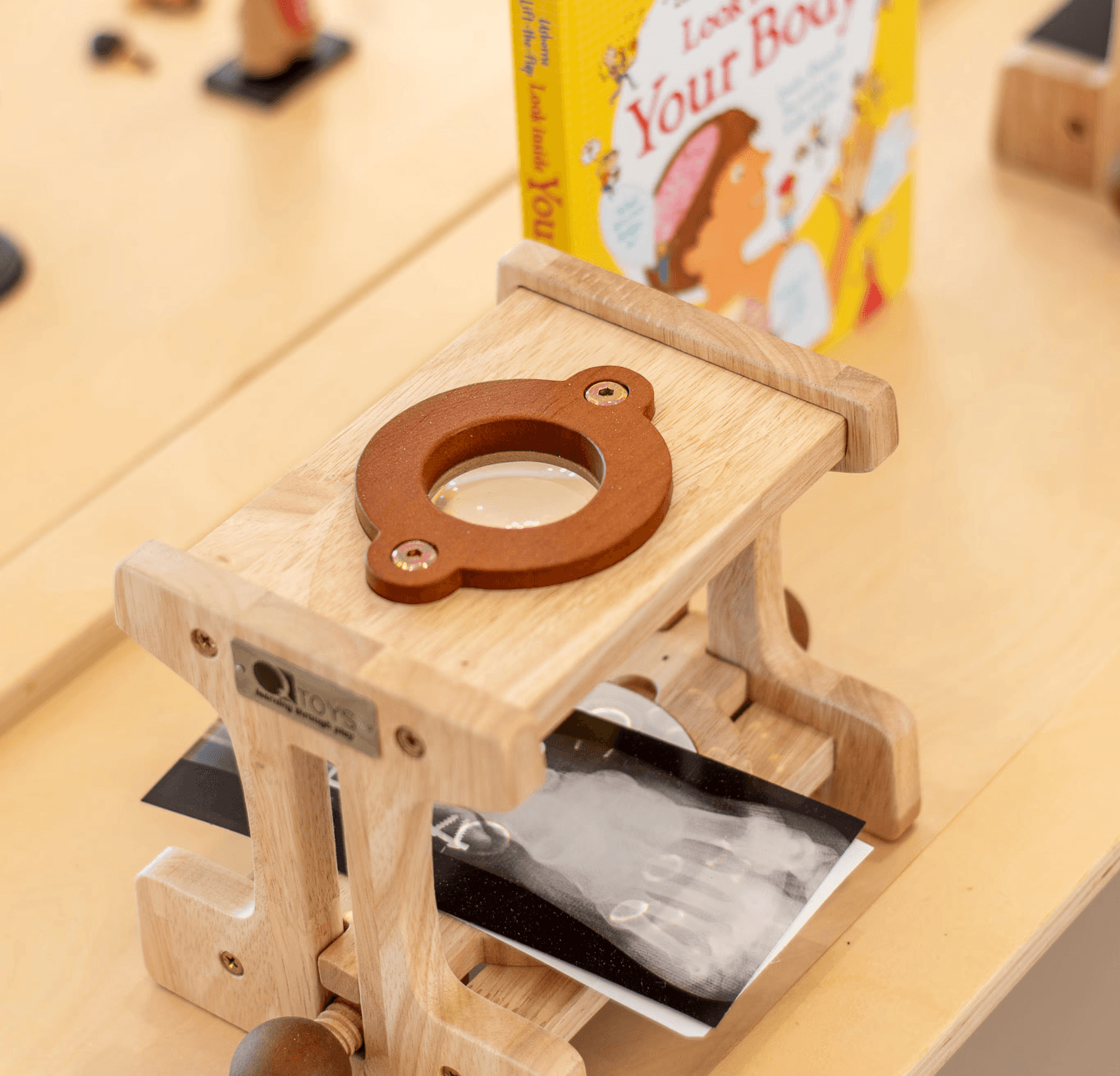
Set up open-ended provocations, loose parts, ramps, water trays, magnifying glasses, and let children direct the investigation rather than following a fixed outcome.
Build in unstructured time for repetition. A child who wants to test the same ramp five times in a row isn't stalling, they're refining a hypothesis.
Use everyday moments as science lessons: a spilled cup, a wilting plant, a shadow that's moved by lunchtime. Ask "what do you notice?" before offering an explanation.
At home:
Kitchen chemistry: Let children mix, measure, and observe. Does the batter change colour? What happens if we add more water?
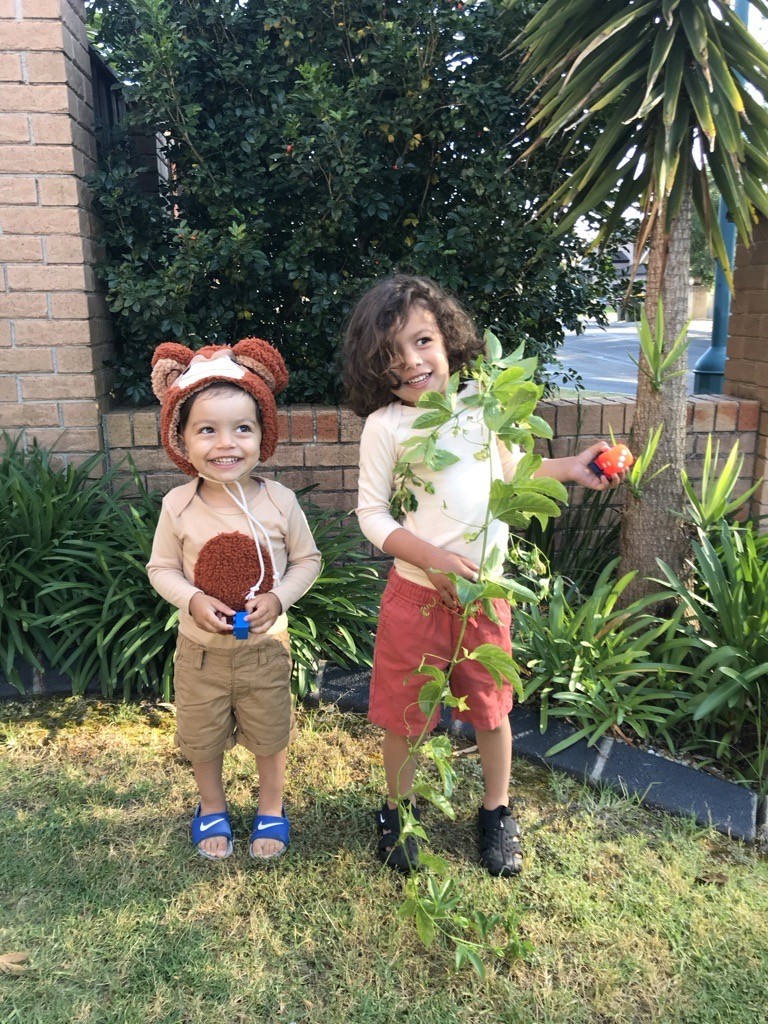
Backyard engineering: Build a tower from sticks and rocks. Will it hold a leaf? A toy car? Let it fall, and ask what they'd change next time.
Nature detective walks: Collect leaves, bugs, or bark, and sort them by colour, size, or texture. Ask open questions: "Why do you think this one floats?"
Everyday tech conversations: Even a question like "how do you think the washing machine knows when to stop?" plants the seed of technological curiosity.
The goal isn't a perfect experiment, it's a habit of mind. A child who learns to ask "why" and "what if" at four is a child equipped to keep asking those questions for the rest of their life.
Why We Let Them Get It Wrong On Purpose
Perhaps the most important, and most misunderstood, part of early STEM learning is this: trial and error isn't a detour on the way to learning. It is the learning.
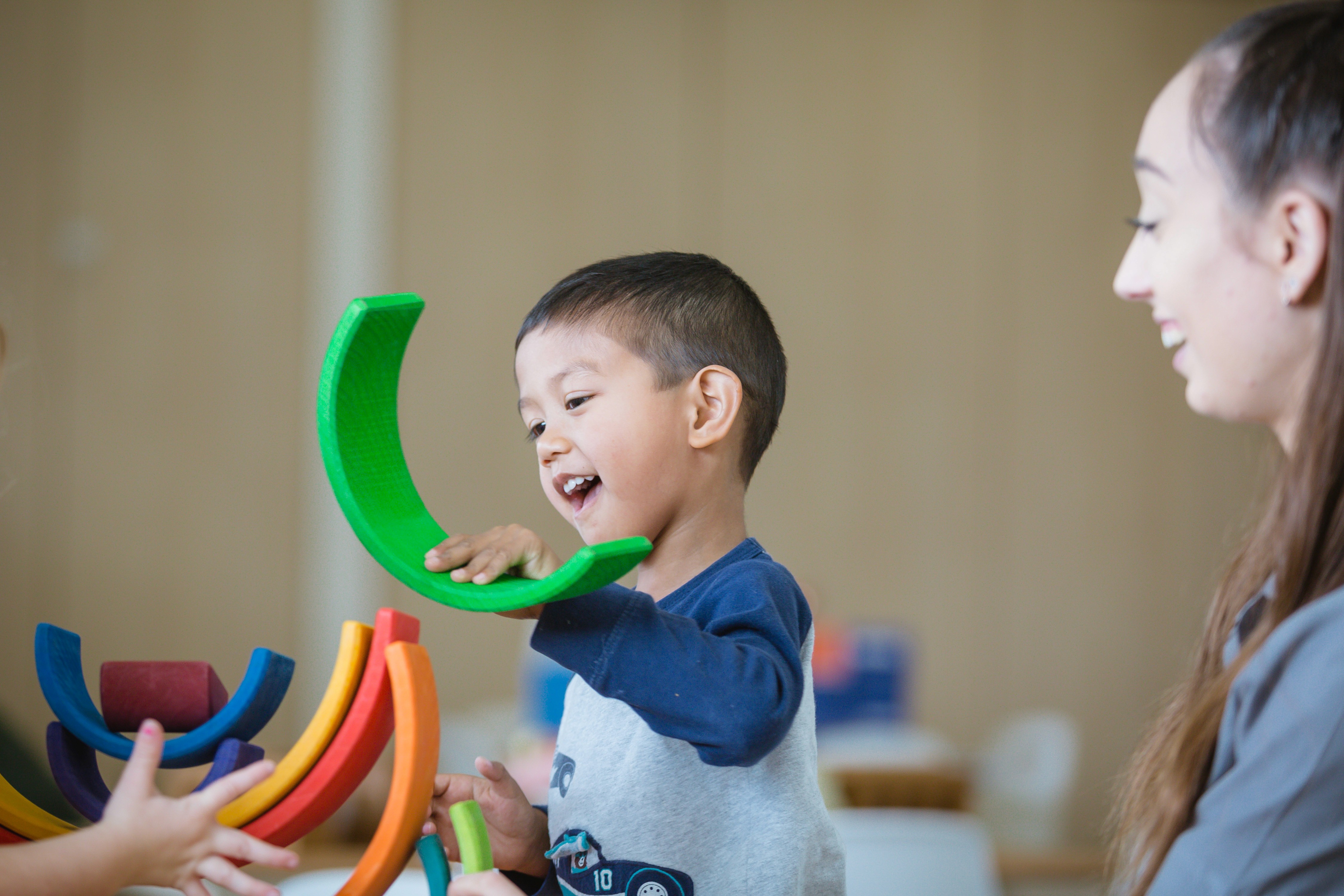
Picture a child building a block tower for the fifth time after four collapses. To an adult, that might look like failure on repeat. To a developing brain, it's a live masterclass in hypothesis, testing, adjustment, and resilience, the exact same cycle used by scientists, engineers, and innovators throughout their careers.
When adults rush in to fix, correct, or "help" too quickly, children are quietly robbed of that cycle, and of the confidence that comes from working through it themselves. The most valuable thing an educator or parent can offer isn't the right answer. It's a safe, hands-on space where getting it wrong isn't just tolerated, it's expected, and celebrated as proof that real thinking is happening.
So next time a tower tumbles, a puddle overflows, or a paper plane nosedives, try holding back the instinct to intervene. Instead, ask: "Hmm, what do you think happened? What should we try next?"
Ask that question enough times in the early years, and you raise a thinker who isn't afraid to try again, in the classroom, and far beyond it.
Building Tomorrow, Starting Today
STEM in early childhood was never really about producing future scientists and engineers, though plenty will emerge. It's about producing thinkers, children who question, test, adjust, and try again, no matter what field or challenge they eventually meet.
The future isn't waiting for children to grow up before it needs their thinking. It's being built right now, one question, one experiment, and one wobbly tower at a time.
Meet the author




Share:


Other recent posts: