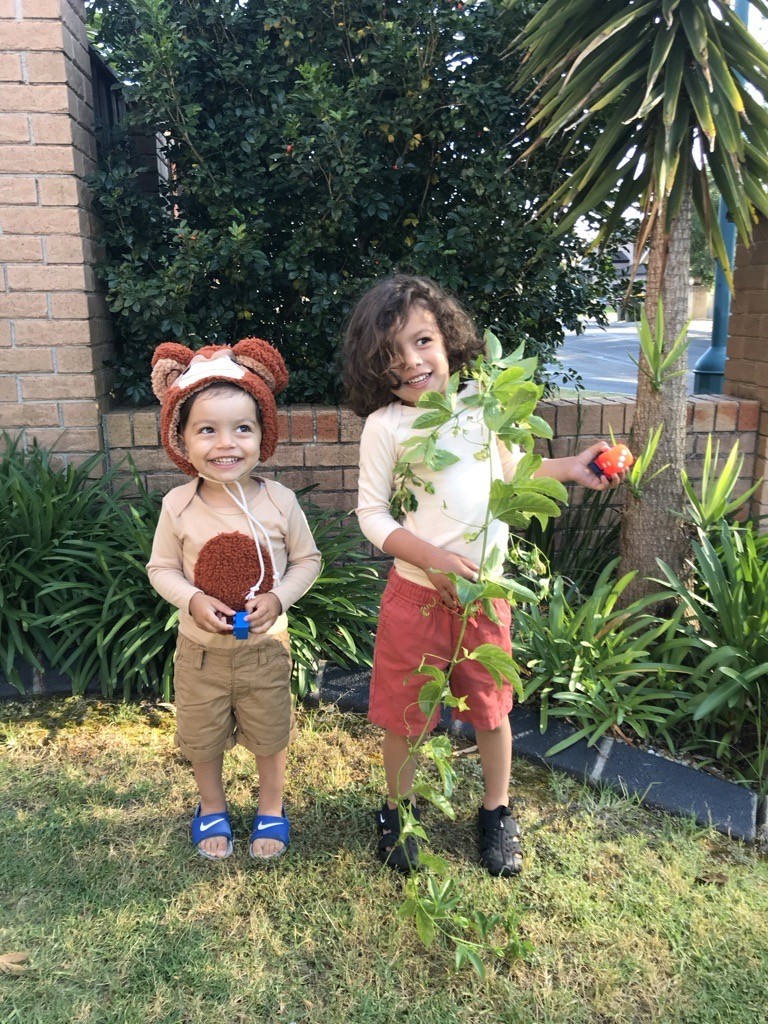
There’s something special about seeing a child step into a costume and suddenly become someone, or something completely different. One minute they’re themselves, and the next they’re a superhero saving the day, a character from their favourite story, an adventurous explorer or perhaps even a very convincing dinosaur. That’s the magic of Book Week.
While books and reading are at the heart of the celebration, Book Week is also an opportunity for children to bring stories to life through imagination, creativity and play. And when children dress up and take on different roles, they’re doing much more than simply putting on a costume.
Bringing stories to life
When children dress up as a favourite book character, they have the opportunity to step inside the story.
They might recreate a familiar scene, act out what they remember from the book or imagine what could happen next. They may even change the story completely and create an adventure of their own.
This kind of play helps children make meaningful connections between the stories they hear and their own experiences. A character on a page becomes something they can explore, interact with and make their own.
Imagination has no limits
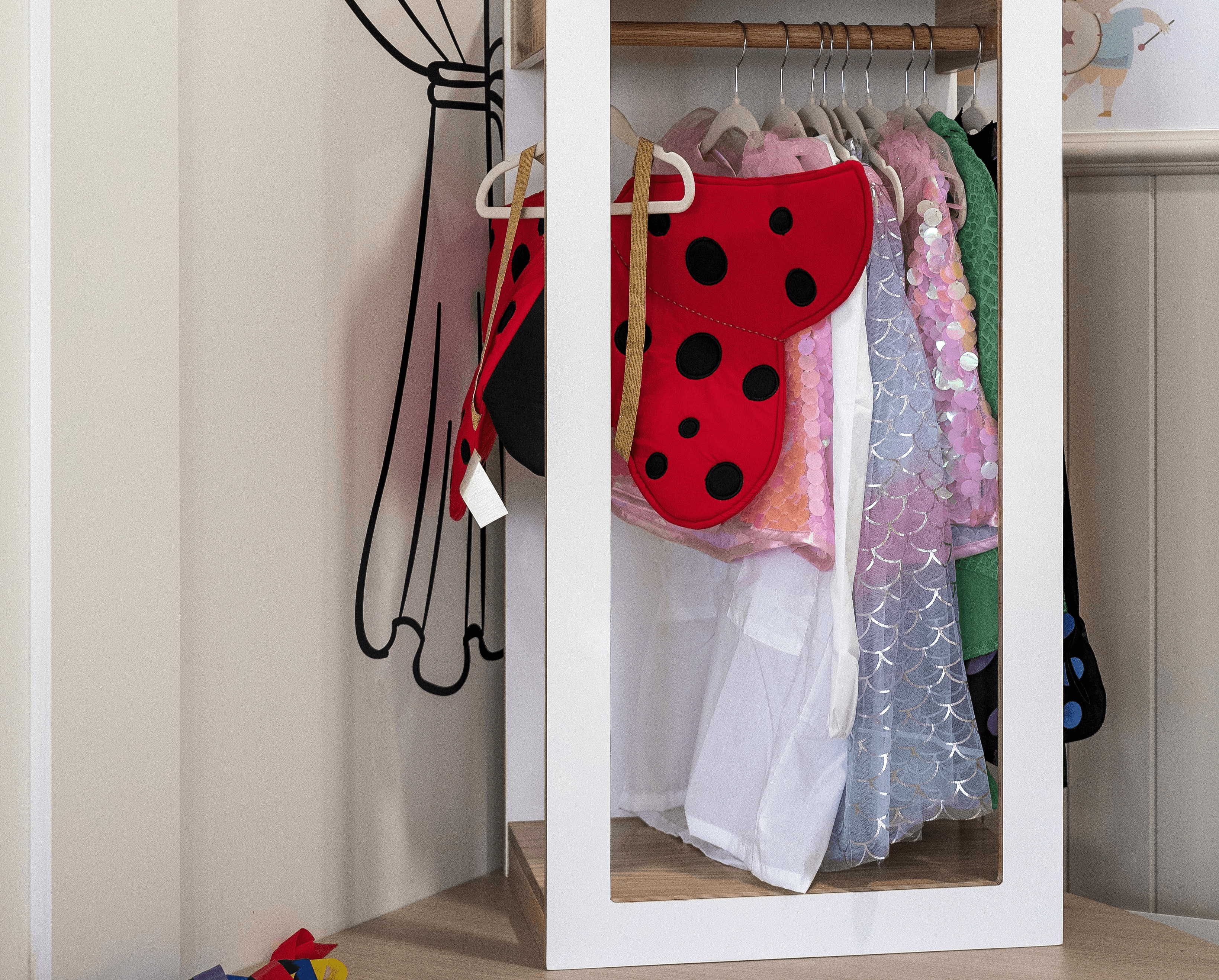
A costume can be the beginning of an entire imaginary world. A cardboard box can become a rocket. A blanket can become a superhero cape. A simple hat can transform a child into a chef, a firefighter or a favourite storybook character.
Role play encourages children to think creatively, experiment with ideas and use what they have around them to create something new. There doesn't need to be a right or wrong way to play — and that's part of the beauty of it.
Building language and communication skills
Role play also creates countless opportunities for children to communicate.
As they take on different characters, children might invent conversations, retell stories, ask questions or create their own narratives. They practice using new words and expressing ideas while learning how to communicate with others.
When children play together, they also need to listen, explain their ideas and negotiate what happens next.
“I'm the doctor and you're the patient.”
“You be the dragon and I'll be the knight.”
“Let's pretend we're going on an adventure.”
These seemingly simple conversations are valuable opportunities to develop language and communication skills through meaningful play.
Learning to play together
Role play can also teach children how to navigate relationships with others.
Creating an imaginary world together requires children to share ideas, take turns, cooperate and sometimes compromise. They learn that their friends may have different ideas about how the game should unfold - and work together to find a way forward.
These are important social skills that children carry with them well beyond their imaginary adventures.
Exploring emotions and different perspectives
Stepping into another character's shoes can also help children explore different emotions and perspectives.
A child pretending to be a brave superhero might explore what it feels like to be courageous. A child acting as a character who is sad or worried might begin to explore those emotions in a safe and familiar setting.
Stories give children a way to talk about feelings, while role play gives them an opportunity to experience and explore those feelings through play.
Growing confidence
For some children, becoming a character can provide a little extra confidence to express themselves.
They might be more willing to speak, perform, interact with others or try something new when they are doing it through the voice of a character.
There is no pressure to “get it right.” They can experiment, make things up and simply enjoy being part of the story.
And sometimes, that confidence can be as simple as standing a little taller in a favourite costume and saying, “Look who I am!”
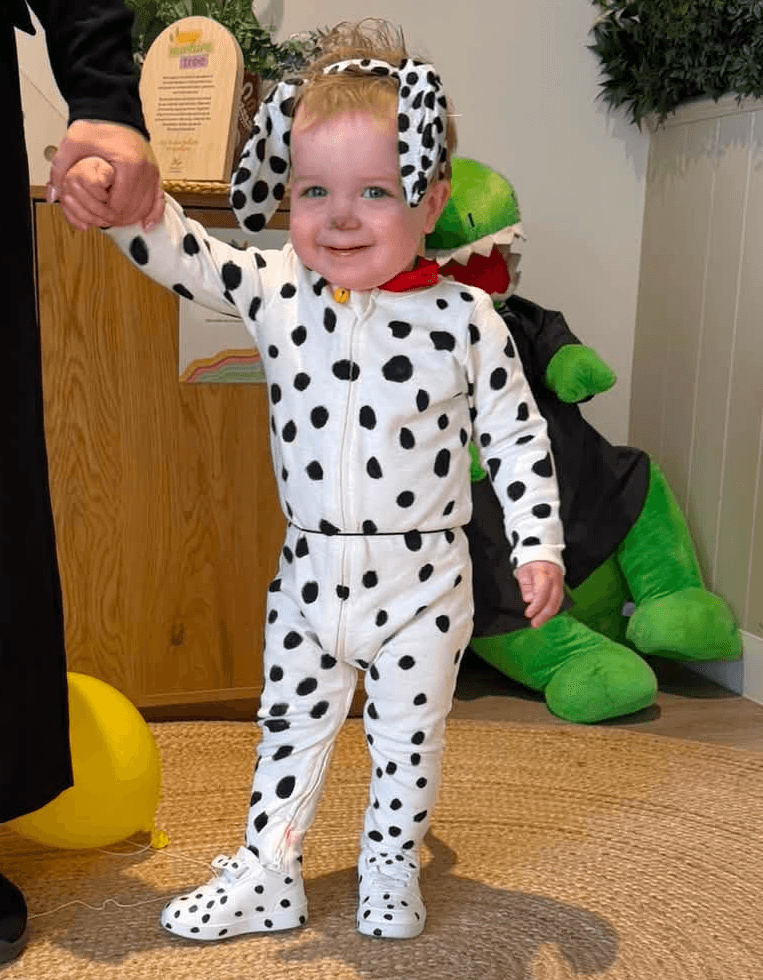
So, let them dress up!
Book Week is a wonderful reminder that learning doesn't always look like sitting quietly with a book.
Sometimes it looks like a room full of children pretending to be their favourite characters. Sometimes it sounds like roaring dinosaurs, flying superheroes or children creating their own version of a much-loved story.
Because when children dress up, imagine and play, they are developing language, creativity, confidence, social skills and an understanding of the world around them.
Book Week isn't just about reading stories. It's about giving children the opportunity to step inside them, explore them and create their own.
So this Book Week, let them dress up, let them pretend and, most importantly, let their imaginations lead the way.
Meet the author






Share:


Other recent posts: