5 everyday moments that help build your child’s emotional wellbeing
Young children experience a world of big emotions, new experiences and constant change. One moment they’re bursting with excitement, and the next they’re feeling overwhelmed, frustrated or unsure.
And while they may not always have the words to tell us how they’re feeling, the small, everyday moments they share with the adults around them can make a big difference.
This R U OK? Day, we’re looking at five simple ways families can support their child’s emotional wellbeing through connection, communication and care with no big conversations required.
1. Morning & Goodbye Rituals that create a sense of security
For young children, knowing what comes next can help the world feel a little more predictable.
Simple rituals like a morning cuddle, a special goodbye phrase before childcare or talking through what the day ahead might look like, can help children feel safe, connected and confident.
These moments can be particularly helpful during transitions, when children may be experiencing lots of emotions at once.

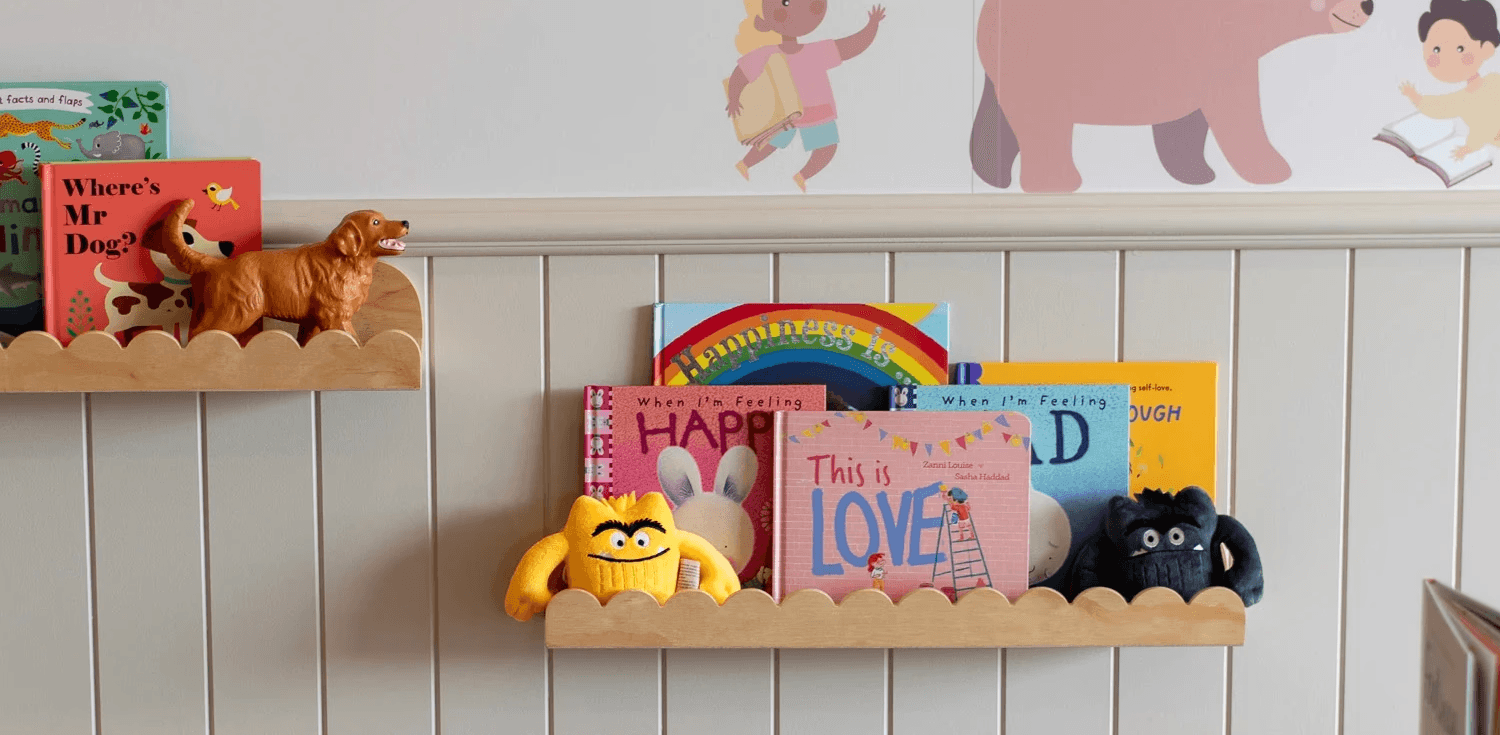
2. Story Time: Using books to explore big feelings.
Stories give children a safe and familiar way to explore emotions.
As you read together, take a moment to talk about how the characters might be feeling. You could ask:
“How do you think they’re feeling?”
“Have you ever felt that way?”
“What could they do to feel better?”
These simple conversations help children build the language they need to recognise and talk about their own emotions, while also developing empathy and understanding for others.
3. Everyday Check-Ins
Checking in with your child doesn’t need to be a big, serious conversation.
Often, the best opportunities happen naturally throughout the day. For example, in the car, over dinner, on the walk home or while getting ready for bed.
Try asking:
“What was your favourite part of today?”
“Was anything tricky today?”
“What made you smile?”
For younger children who may not yet have the words to explain how they feel, you can use facial expressions, name emotions during play and talk about feelings as they happen.
The more we talk about emotions in everyday moments, the more comfortable children can become with sharing them.
4. Helping children learn to navigate their emotions.
Big feelings are a normal part of growing up. Young children are still developing the skills they need to understand, express and regulate their emotions, but they need our help along the way.
When your child is upset, it can be tempting to quickly reassure them with, “Stop crying, you’re okay.”
Instead, try acknowledging what they’re experiencing:
“I can see you’re feeling upset. I’m here with you.”
Sometimes, the most helpful thing we can do is simply be there.
Taking a few deep breaths together, offering a cuddle, creating a calm space or giving your child some time to settle can all help them work through big emotions.

5. Be present together
Some of the most meaningful moments of connection aren’t planned at all. They happen while cooking dinner together, walking outside, sharing a bath, playing a game or laughing about something silly.
It might only be a few minutes, but when we put down the distractions and give children our attention, we’re sending a powerful message:
You matter. I see you. I’m here.
These everyday moments help children feel seen, heard and valued.
R U OK? Every Day
R U OK? Day is a wonderful reminder that checking in, listening and showing we care matters at every age.
For young children, emotional wellbeing isn’t built through one big conversation. It grows through the everyday moments of connection that help them feel safe, understood and loved.
Because sometimes, it’s the little moments that make the biggest difference.
Meet the author






Share:


Other recent posts: