As we approach the second half of the year there would be many families that will be facing the age old debate of when to send their children to kindergarten. Do we send them early or do we hold them back?
In NSW All children must be in compulsory schooling by their 6th birthday. Children can start kindergarten at the beginning of the school year if they turn 5 on or before 31 July that year. Obviously, this leaves such a huge age bracket of when children can start formal schooling and this decision can weigh heavy on parents. Below I will go into a few of the points that could help you decide from my experiences over the last 18 years working with families, school teachers and early childhood professionals around what they consider “Ready for school”.
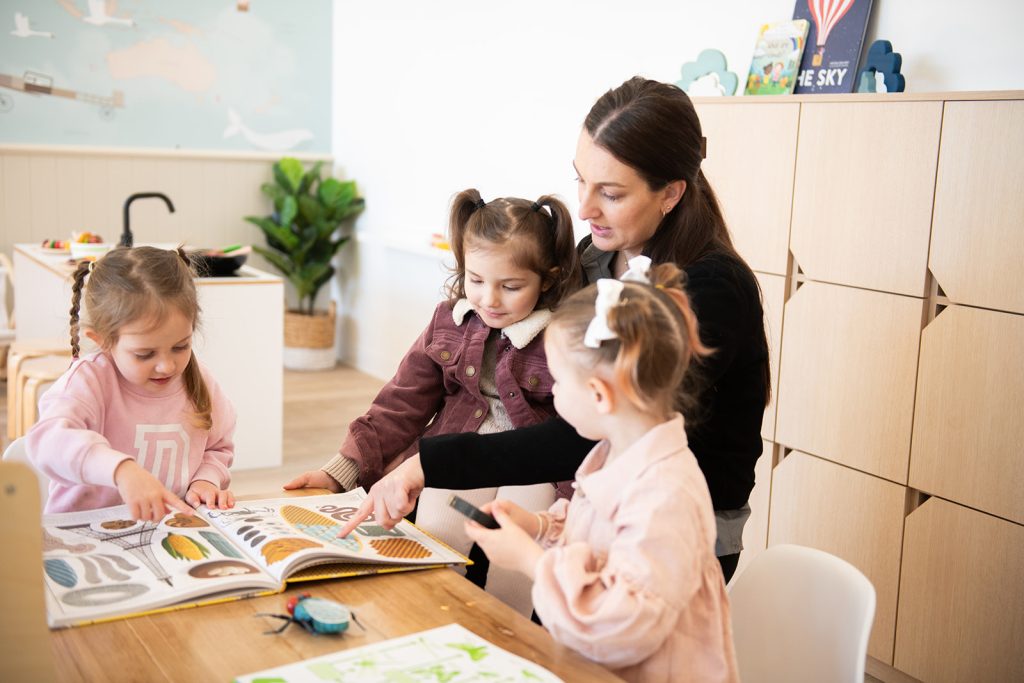
There is a mountain of information and lists around pencil grip, scissor skills, sitting at group times, counting, colours, letters and numbers. But in reality, these are many of the things that school teachers will tell you that they can assist in working on. Yes, they are a great start, but let’s take a look at the practical side of what a child will need.
Ensuring that socially and emotionally the children are ready for school is a huge aspect to school readiness. We need to take a look at the way children are able to ask and respond to questions. Will they be able to ask for help? Will they be able to speak up when they are sad? Will they be able to ask to go to the toilet? Teachers are there to assist however the child-to-teacher ratio increases dramatically from early childhood education settings to primary school, so children need some confidence to advocate for themselves. Equipping our children with the confidence to be able to ask a peer to play at lunch or recess and being able to approach a teacher to help with a lunchbox are skills that will help ease the transition for these children.
Lunch and recess can be a whole new experience for the children as they are in a new environment, with a packed lunchbox, hundreds of children and their teacher only there for a few minutes. The thoughts and ideas that go through a child’s mind at these times could range from, Should I eat my snacks or my sandwich?, do I go and play?, do I really need to put my lunch box away?, who can help me with this packet? This can sometimes lead to our children coming home with no lunch being consumed. Some ways that we can gain the children’s confidence around meal times is by giving them as much experience in opening and closing containers and food wrap as we can before their first day. I can only assume we have all had those moments where we consider throwing something away out of frustration when we can’t find the end of the tightly sealed glad wrap, Or those packets that seem near impossible when we can’t find the scissors?. For a child this could really impact on the amount they are eating throughout the day and without adequate nutrition they will not be able to focus or potentially regulate emotions across the school day.
Did you know that school teachers are not able to go into the children’s bathrooms to assist as early childhood educators can? This is why in the care setting we are forever encouraging the children’s independence around toileting, managing clothing, wiping independently and washing hands using soap. This may be something that concerns you as a parent in the early childhood setting with children being seen as not being “helped” in the bathroom but we are always there to offer encouragement and to double check that the children are all clean. Primary schools will contact families to come and collect or change their children should they have a toileting accident. This can both impact on the child’s confidence and also on our days as parents, if we are being called to the school frequently. If we can encourage independent toileting at both home and in the care setting along with encouraging children to verbally express when they need to use the bathroom it would be a great start to aid children in their transition process.
All of this information isn’t there to overwhelm you as parents while making this big decision but to assist you in deciding what is the right option for your family. I encourage you to attend the local school information sessions, chat with your child’s educators and ask the questions you may have to know if your child is ready and ensure that we at a centre level are aware of the things we can assist your child with ahead of the next step towards “big school”.
Meet the author
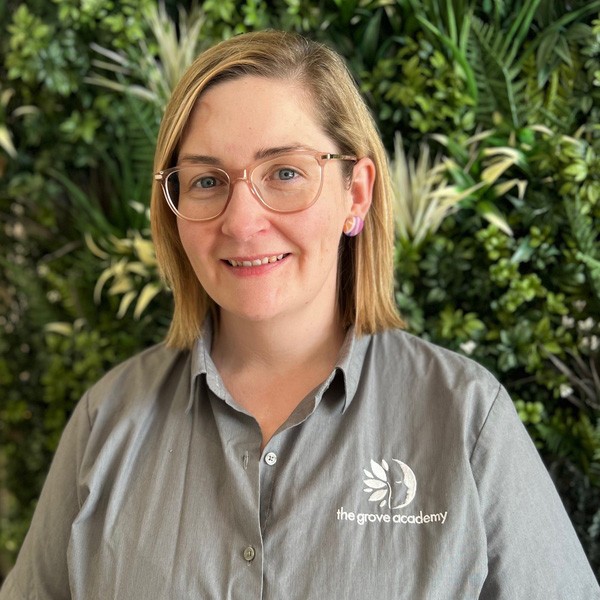
Hi, I am Cheree and I am so excited to be contributing to Grove Collective. I hold an Early Childhood Teaching degree and have been in the industry for 18 years and for the last 9 years, I have been lucky enough to work at the Grove in a number of roles. I have a passion for social justice and inclusion and seeing children develop during the first five years, is the most rewarding aspect of my role. With this experience and previous knowledge, I thought I was well prepared for motherhood but when my two boys came along, I spent hours scrolling and looking for advice and information for a range of reasons and to feel like I wasn’t alone in what our family was facing. I look forward to being able to share my knowledge and experience so you too feel supported in your role as parents.




Share:


Other recent posts: