and how it supports learning and risk assessment in children.
Let’s think back to our childhood, a time when our best play was done without the watchful eyes of educators, teachers or even parents.
Now let’s read a story about Lucy, a young girl, playing and exploring in her local park.
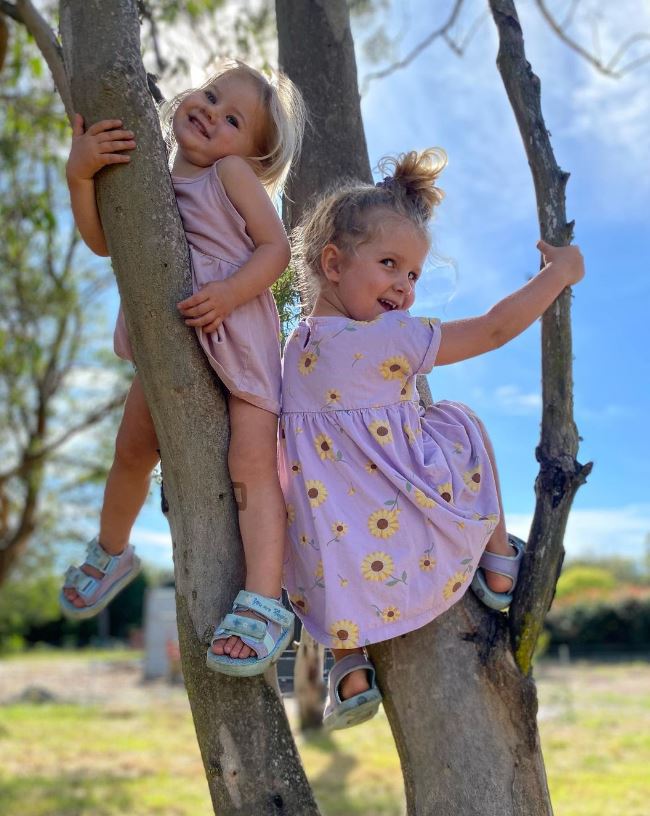
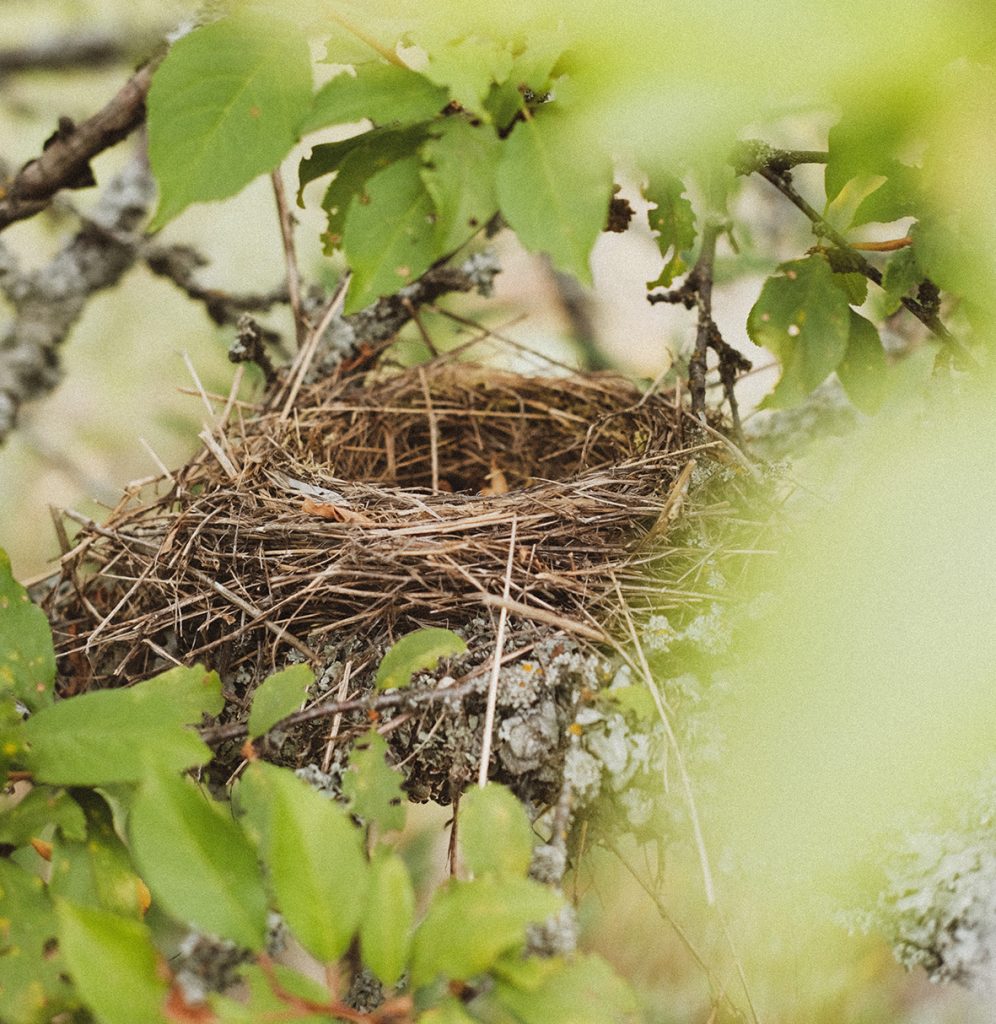
Lucy: “That tree looks fun to climb. Hmmmm, where should I start? This spot looks good, because I can reach this branch. No. When I step on that one it feels like it might snap. I’ll try over here; this branch looks thicker and stronger. I can see a bird’s nest; I’m going to climb to it and see if there are eggs in it. I’m up higher now, and I’m starting to feel scared. But I’m almost at the nest, just one more branch! I made it, hmm there’s no eggs. How will I get down? “Muuuuuuuummmmm help!” Wait, I can see the way I came up. I can go slow, I’ll put one foot here, and one hand there” “I made it!”
Lucy: “Mum, I climbed that tree and found a birds nest!”
Mum: “Well done! What was inside the nest?”
Lucy: “Some feathers and sticks, but it was empty.”
Little did Lucy know but her mum was watching her, doing her own risk assessment. She knew the fun and adventure her child could have, so she sat back and watched.
Two days later, Lucy is at (Bush Kindy/preschool) and her experience sparks her curiosity and prompts her to ask to learn about bird’s nests. Her educator is happy to engage in this learning experience and the entire group gets to learn about an interesting new topic, and Lucy feels proud that she was able to bring it up amongst her peers and share her experience of finding a bird’s nest in a tree.
Today, we have a title for this type of play so-called ‘Risky play’. In our current society, with constant access to social media and news outlets, there has become an exaggerated focus put on safety, without much thought to the types of activities and “play” that we are sacrificing, and the ramifications that this can have on our children’s experience of learning.
Whilst our main focus as educators and caregivers is to care, love and protect the children in our care, lets dive into what depriving our children of play with risk might mean.
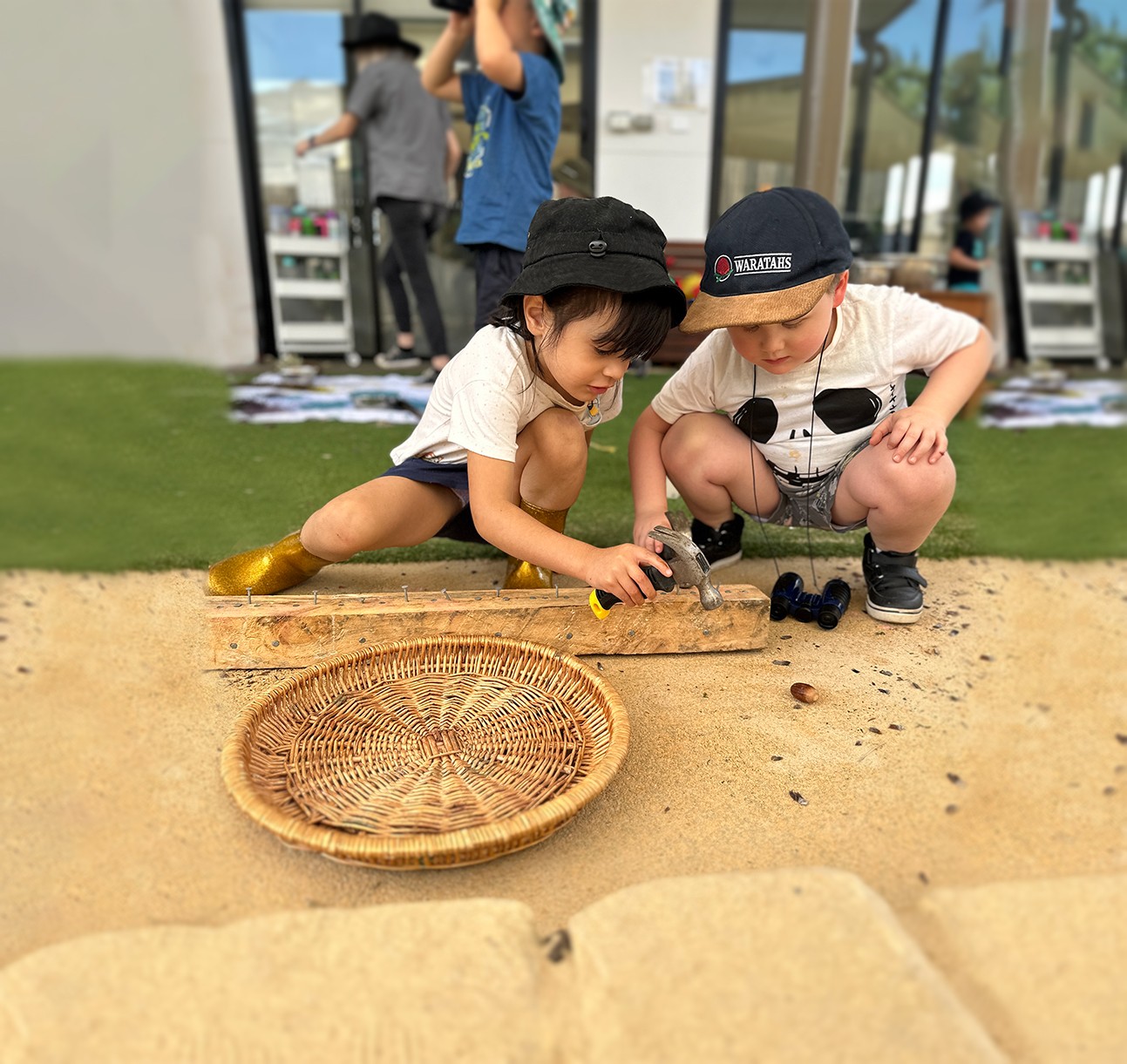
When those children, who are engaging in these ‘risky’ activities are told to ‘be careful’ or stopped from doing so, we are interrupting their natural risk assessment and depriving their management of risk.
If they are able to continue their play, their adrenaline would begin to flow, and this lets the child know that what they’re doing feels a little scary and they either work out how to manage this feeling or stop what they’re doing. Let’s look at the same scenario but with a different ending.
Lucy: “That tree looks fun to climb. Hmmmm, where should I start? This spot looks good, because I can reach this branch. No. When I step on that one it feels like it might snap.”
Mum: “Be careful, what are you doing Lucy, get down! You might fall and break your neck!”
Lucy: “Help mum, get me down, I’m scared”
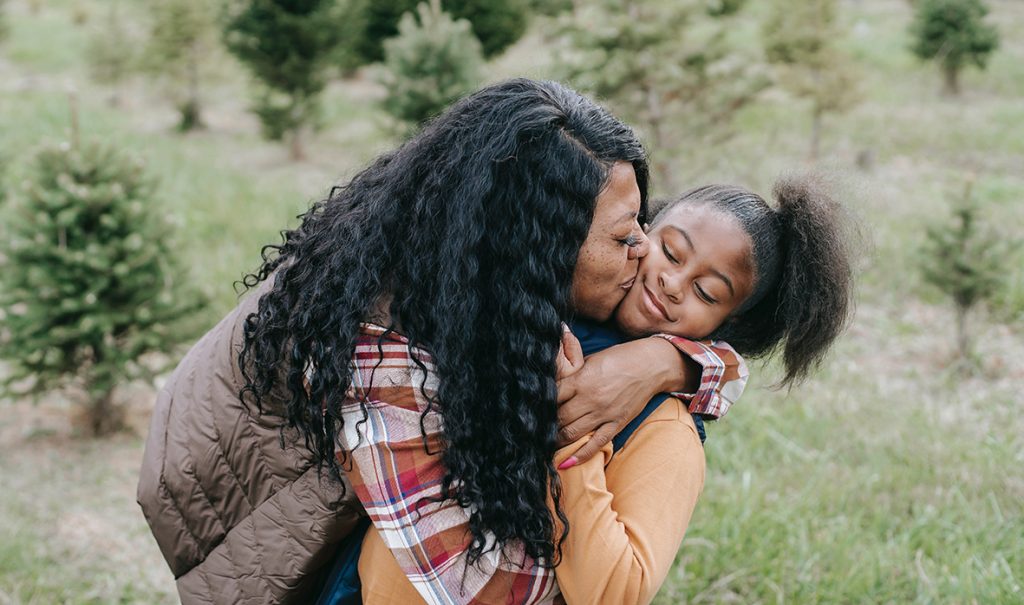
Lucy was intrinsically motivated to climb that tree and whilst on her adventure she saw something to investigate, she motivated herself and pushed a little further to feed her curiosity. She managed her fear and did so by taking one step at a time. She saw the tree and climbed it because it was fun. She didn’t need a reward. And now Lucy is motivated to learn more about the bird’s nest she found.
After reading this story, how will you react next time your child is participating in “risky play”? Will you step in and offer assistance, or take a step back and see how it unfolds?
For further learning and research articles check out, “We Don’t Allow Children to Climb Trees”:
Meet the author
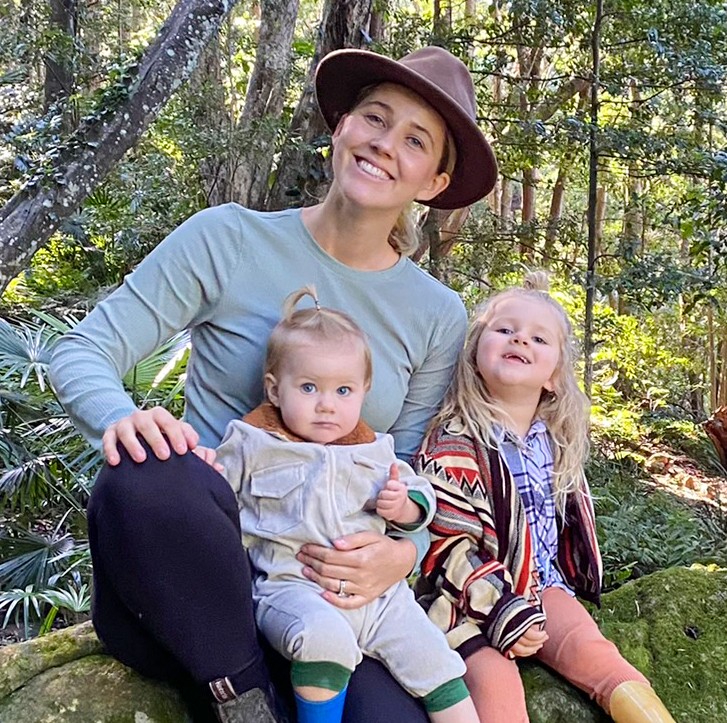
Hi, my name is Laura and I am the Director and Forest Leader of Wildhood Bush Kindy. Wildhood Bush Kindy is passionate about delivering programs that bring children back to nature through nature immersion and bush play sessions. Our programs are delivered to children in wild spaces, in every season and in rain or shine. We want to ignite a lifelong love of the great outdoors! I am a mess, mud, creature loving, tree climbing, tool using, sensory play, nature emersion advocate for children. I am also a mum of two little girls, both of which have been in our bush play programs since babyhood. I feel very lucky every day to call this ‘work’.




Share:


Other recent posts: