Sarah, our Speech Pathologist, reflects on why communication is such an important skills for children to develop.
The theme for this year’s Speech Pathology week is ‘Communication is Everyone’s Right’ and it is something we believe in wholeheartedly at The Grove Academy. We believe that children have the right to be given the best start in life.
We know that good communication skills help children to learn and to socialise, and that these things will help children have a positive start to school and their future.
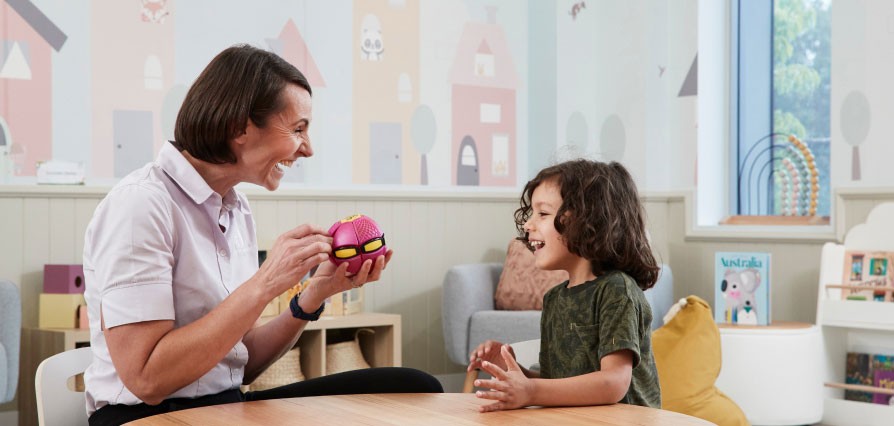
But communication is more than just talking in sentences and having conversations. Very young children communicate without words and these ‘pre-verbal’ skills are just as important to develop as words. Infants and toddlers learn fundamental social skills through turn-taking games such as ‘peekaboo’ and ‘give me five’, which don’t require words but just actions and gestures.
Communication is also about sharing attention. Sharing an experience together and both focusing on it at the same time teaches children that communication is two-way and an interactive experience. This could be looking at a book together, filling up and emptying toys together at bath-time, or building some Lego together. When we take turns in play children learn that we also take turns when talking to another person. These are all pre-verbal skills that help children to be good verbal communicators.
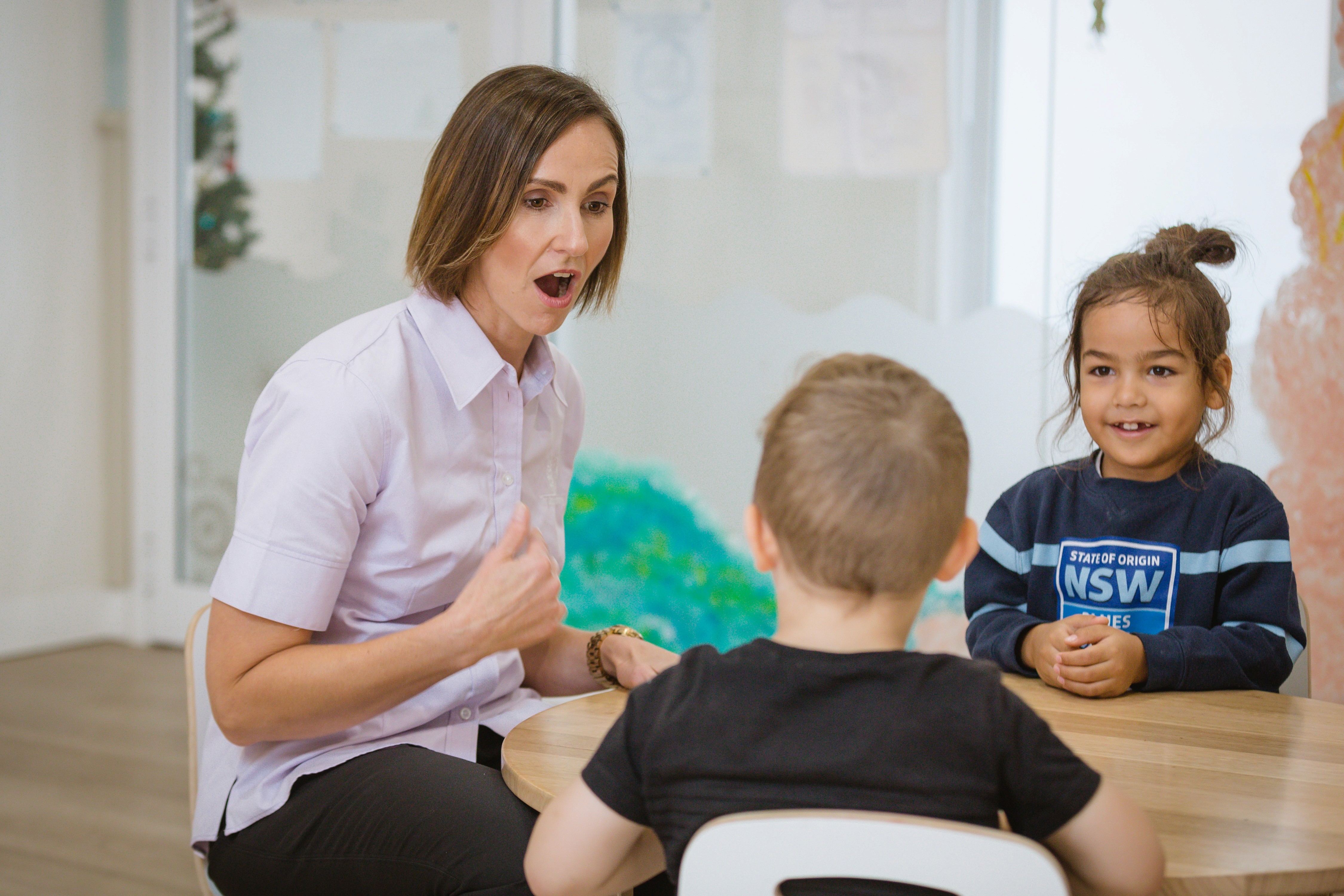
We have been learning about alternative forms of communication this week at The Grove and have learnt to use some Key Word Signs. Before they use words young children often use gestures such as pointing, or actions to communicate what they want. Gestures are a typical stage in the development of spoken language, and sign language is simply a formal system of gestures. Signing can support children to express themselves when they may not yet have the words. It can also be useful for adults to use signing with children who have attention difficulties or delayed understanding of language. When an adult shows a visual representation of a word through a gesture or sign with their hands, it helps to make the meaning of that word more concrete and easier for the child to learn.
So, keep an eye out for all forms of communication that your child is using, and don’t forget that actions can be just as powerful as words.
Meet the author
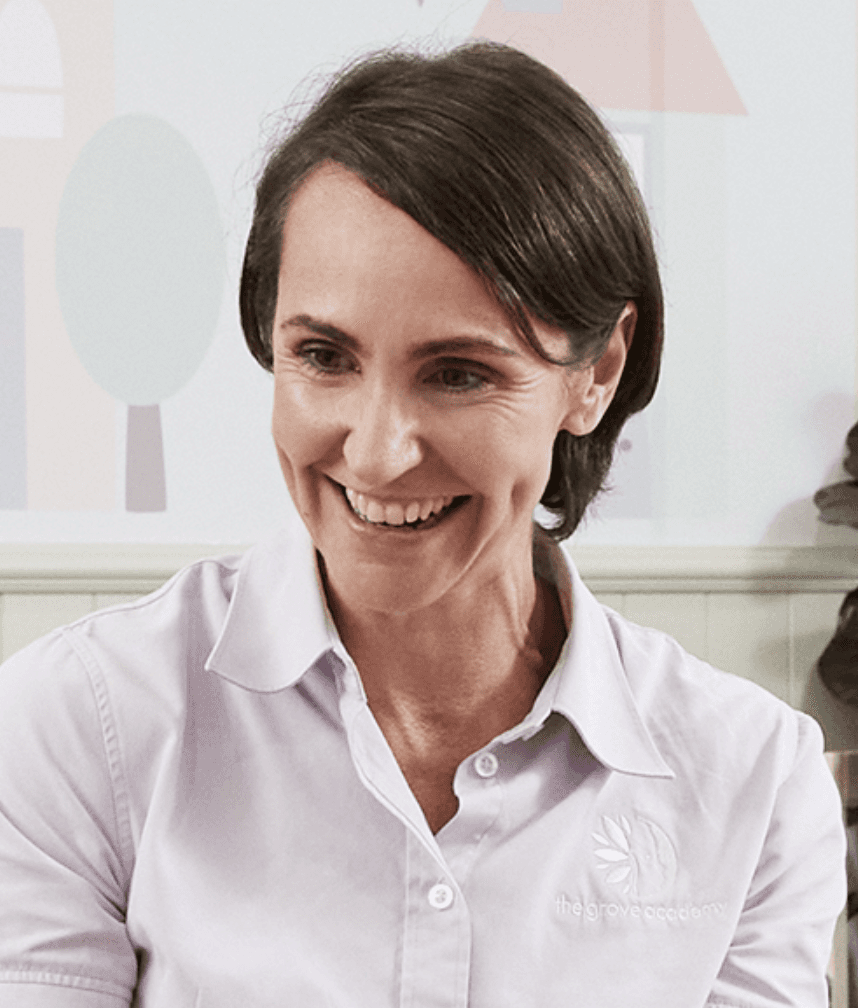
It is exciting for me to share my passion for developing children’s communication with the children, families and staff at the Grove Academy’s services. With over 20 years of experience as a Speech Pathologist working in Australia and the United Kingdom, I bring an innovative approach to supporting children with language and communication needs through early education.




Share:


Other recent posts: