Rest assured, biting is a common behaviour that is often seen between 1-3 years of age and over time it will ease, with little occurrences happening with children over the age of three. Biting is often an unavoidable behaviour for toddlers, and there is an extensive list of possibilities as to ‘Why’?
THE WHY
(well some of it, the list is endless)
Biting can occur for a range of reasons including developmental stages, frustration, sensory stimulation and communicating needs and wants. Some reasons listed below may not have even crossed your mind, but when looking deeper could be a potential reason that these behaviours are present in our little people:
Teething
Oral muscle development
Developing independence
Language and communication barriers
Learning cause and effect
Excitement and overstimulation
Under-stimulation and boredom
Frustration
Seeking attention/connection
Lack of impulse control
Exploration
Social interaction
Anxiety
Imitation
Hunger
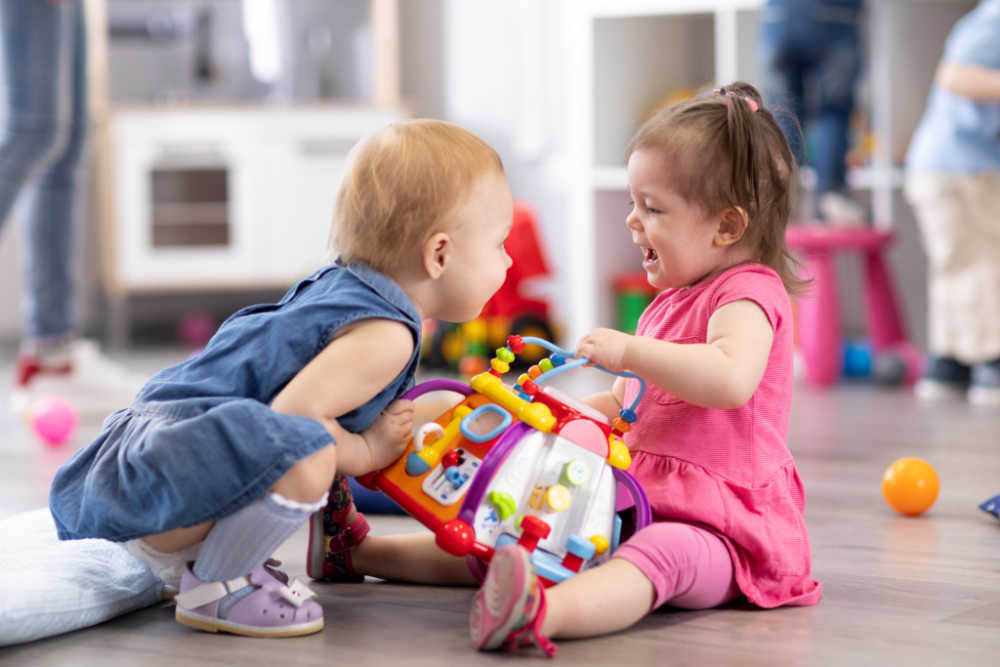
It is important to remember that children in the age range of one to three years are undergoing rapid changes in their development both physically and socially. Children often understand a lot more than they can express, so may use what is seen to be inappropriate behaviours to communicate their frustrations, needs and wants. Imagine not having the words to say, “I don’t like that” or “stop touching me” and no one can see how anxious you feel. How else could you tell that person to stop? In times like these your fight vs flight response would come into play to try and protect yourself. This is what our little ones do, day in and day out. What a scary feeling to experience all the time!
It is important to remember that children in the age range of one to three years are undergoing rapid changes in their development both physically and socially. Children often understand a lot more than they can express, so may use what is seen to be inappropriate behaviours to communicate their frustrations, needs and wants. Imagine not having the words to say, “I don’t like that” or “stop touching me” and no one can see how anxious you feel. How else could you tell that person to stop? In times like these your fight vs flight response would come into play to try and protect yourself. This is what our little ones do, day in and day out. What a scary feeling to experience all the time!
WHAT CAN WE DO TO HELP?
Consistency
Consistency is key. Everyone involved in caring for your little one needs a consistent approach. Communicating with family, friends and educators about how to manage behaviours when they occur is so important. Children will become more confused and emotional if they are receiving conflicting information when an incident occurs. A constant phrase, the same wording and the same redirection tactics are what we need to ensure teamwork with all parties to have a better chance of reducing biting behaviour, even before children reach the age of three to four.
Role Modelling
Children learn through imitation, so it is important to model positive interactions with children and toddlers. Ensure that your verbal and non-verbal behaviour is consistent, loving, nurturing, respectful and appropriate for young children to copy. Notice and encourage pro-social behaviours e.g. “I love how you helped Sally move the toys back to the mat” or “They were beautiful gentle hands you used with your brother”.
Familiarity
Children need a familiar environment, with familiar people, to feel safe. This is demonstrated when they settle readily and they have formed close attachments with one (and then more) familiar educators. To build their sense of security, they need ongoing positive interaction with a ‘key person’, and seeing family members also feeling comfortable during transitions with these educators is an important aspect of developing a ‘circle of security’ within the service.
Environment
Environments (both at home and at care) play a huge role in how children’s behaviour is impacted and how they respond. We need to remember that having an appropriate number of resources, reduced noise levels and environments that are not super bright and colourful will aid in reducing overstimulation. Let’s take a moment to think about how we feel when we attend a child’s birthday party at a play centre….. need I say more?
It takes a village.
We as educators are in your corner whether your child is the biter or has been bitten, we feel the emotions that you feel too, and we are willing to help and support you in any way we can. Parenting is hard and you do not have to do this alone, it takes a village to raise a child and we are part of your village. Please feel free to reach out for help and support from our wonderful educators at any stage.
Some useful links to delve a little deeper are linked below:
Meet the author

As the Learning and Innovation Manager for The Grove Academy, I am passionate about children’s learning and development and the role educators play throughout the early years. My aim is to challenge the notion that early education is just “babysitting” by implementing diverse and child centric experiences within all Grove campuses. Since beginning in the early childhood sector in 2007 and studying a Bachelor of Early Childhood Teaching, I have broadened my knowledge and understanding of holistic child development and the strategies required to set the foundations for growth and independence. I am excited to share my ideas, knowledge and tips to our Grove community through The Grove Collective blog.





Share:


Other recent posts: